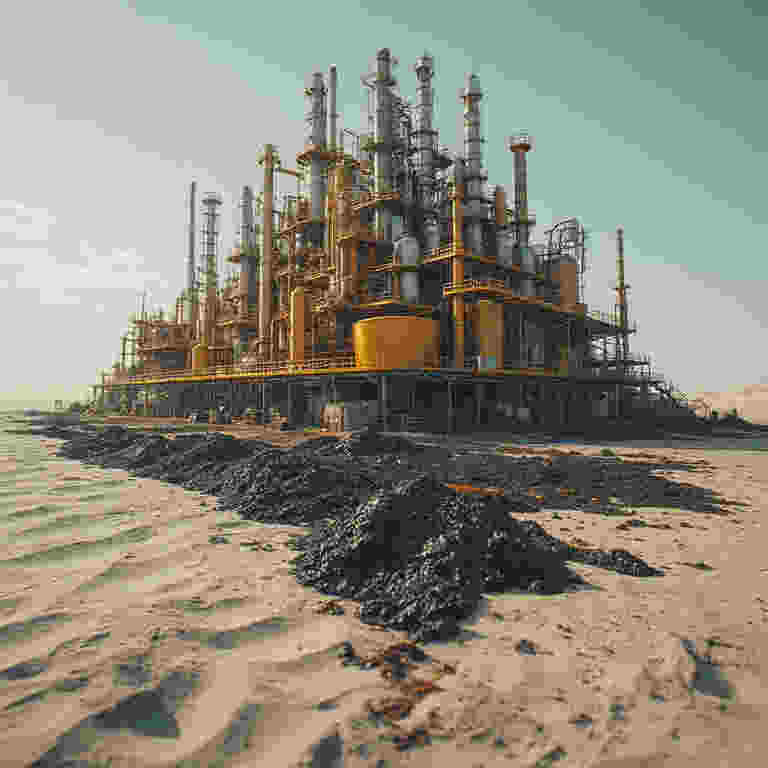
What is OPEC and OPEC+: Role in Commodity Prices, and Related Products
Understanding OPEC: Organization, Role in Commodity Prices, and Related Products
The Organization of the Petroleum Exporting Countries (OPEC) is a permanent, intergovernmental organization created at the Baghdad Conference in September 1960 by five founding members: Iran, Iraq, Kuwait, Saudi Arabia, and Venezuela. It was formally constituted in January 1961. The organization was established at a time of transition in the international economic landscape, when the international oil market was dominated by the “Seven Sisters” multinational companies.
Today, OPEC is a coalition of oil-exporting developing nations that coordinates and unifies the petroleum policies of its Member Countries. Its headquarters were initially in Geneva, Switzerland, but were moved to Vienna, Austria, on September 1, 1965, where they remain today.
This article is an explanation of concepts and information, not financial advice. The information may prone to mistakes.
OPEC’s Core Objectives
OPEC’s fundamental mission, as stated in its founding documents, is threefold :
- For Producers: To secure fair and stable prices for petroleum producers, ensuring a steady income for member nations
- For Consumers: To ensure an efficient, economic, and regular supply of petroleum to consuming nations
- For Investors: To provide a fair return on capital to those investing in the petroleum industry
A key element of this mission is stabilizing oil prices in international markets, with a view to eliminating harmful and unnecessary fluctuations. The organization emphasizes that this stability serves the interests of both producers and consumers.
OPEC Membership
Current Members
As of 2026, OPEC comprises several member countries, though membership has changed over time due to suspensions, withdrawals, and reactivations. According to the Joint Organisations Data Initiative, the organization includes :
- Algeria
- Angola
- Congo
- Ecuador
- Equatorial Guinea
- Gabon
- IR Iran
- Iraq
- Kuwait
- Libya
- Nigeria
- Qatar
- Saudi Arabia
- United Arab Emirates
- Venezuela
Historical Membership Changes
Membership has fluctuated significantly over the decades :
- Qatar joined in 1961 but terminated its membership in January 2019
- Indonesia joined in 1962, suspended membership in January 2009, reactivated it in January 2016, but suspended it again in November 2016
- Ecuador joined in 1973, suspended membership in December 1992, reactivated it in October 2007, but withdrew effective January 2020
- Gabon joined in 1975, terminated membership in January 1995, but rejoined in July 2016
- Angola joined in 2007 and withdrew its membership effective January 2024
The Significance of Saudi Arabia
Within OPEC, Saudi Arabia plays a uniquely influential role. It controls about one-third of OPEC’s total oil reserves and has traditionally functioned as a “swing producer”—adjusting its oil production up or down to help keep prices steady. This flexibility stems from its relatively small population compared to its vast reserves, giving it considerable discretion in adjusting production levels.
OPEC+: An Expanded Coalition
In December 2016, facing changing market conditions, OPEC established the Declaration of Cooperation (DoC) , bringing together OPEC members and 10 non-OPEC oil-producing countries. This coalition, commonly known as OPEC+, includes major producers like Russia and represents a significant expansion of coordinated production management.
In 2019, the Charter of Cooperation (CoC) was established as a long-term platform dedicated to cooperation and the exchange of views and information among participating countries. This framework has proven crucial for coordinating production adjustments to respond to market conditions.
OPEC’s Role in Commodity Prices
The Price Stabilization Mechanism
OPEC’s primary mechanism for influencing oil prices is managing supply through production quotas. By coordinating production levels among member countries, OPEC aims to balance global supply with demand, thereby influencing prices.
It seems that that OPEC has significantly reduced oil price volatility through its interventions. A comparison of actual historical prices with counterfactual scenarios (what prices would have been without OPEC action) found that :
- During the commodity boom period (2001-2015), price volatility would have been at least 50% greater without OPEC intervention
- During the OPEC+ period (2017-2021), counterfactual volatility was typically 100-120% higher than actual historical volatility
This price stabilization is achieved through maintaining spare capacity—withholding oil from the market that can be deployed during supply disruptions. OPEC has traditionally kept an average of about three million barrels per day of buffer stock to respond to market shocks.
Historical Price Interventions
Throughout its history, OPEC has responded to various market conditions :
- 1970s: OPEC rose to international prominence as member countries took control of their domestic petroleum industries. The 1973 Yom Kippur War led to output cuts and an embargo, with OPEC quadrupling official prices within months
- 1980s: After demand slumped and oil prices crashed in 1986, OPEC introduced group production adjustments divided among member countries and established the OPEC Reference Basket for pricing
- 1990s: Timely OPEC action reduced the market impact of the Gulf War in 1990-91
- 2008: Amid the global financial crisis, OPEC supported the oil sector as part of global efforts to address the economic crisis
- 2020: During the COVID-19 pandemic, OPEC and its DoC partners implemented the largest and longest voluntary production adjustments in oil market history in April 2020 to counter demand freefall
Recent Production Dynamics (2025-2026)
In 2025, OPEC+ shifted its stance by increasing production despite relatively low prices—a departure from its traditional stabilizing role. According to the European Central Bank, OPEC surprised markets in early April 2025 by increasing production by three times more than initially planned, continuing output increases through the year.
As of late 2025, OPEC+ agreed to keep oil production policy unchanged into early 2026 while approving a new capacity-based quota system that will reshape how the group allocates output from 2027 onward. The group continues to restrict around 3.24 million barrels per day of supply, accounting for roughly 3% of global demand.
The Spare Capacity Challenge
OPEC’s effectiveness depends on maintaining spare capacity. A key challenge is estimating how much oil the market needs—a complex task requiring forecasts of economic growth, drilling activity, and inventory levels. Researchers note that OPEC makes these adjustments despite incomplete information about global supply and demand.
Commodity Products Related to OPEC
OPEC’s influence extends across a wide range of petroleum-based commodities. These can be categorized into several groups:
1. Crude Oil Types (The OPEC Basket)
OPEC monitors and reports prices for various crude oils produced by its members, collectively known as the OPEC Reference Basket (ORB). As of 2025, the basket includes but may not limited to :
- Saharan Blend (Algeria)
- Djeno (Congo)
- Zafiro (Equatorial Guinea)
- Rabi Light (Gabon)
- Iran Heavy (IR Iran)
- Basrah Medium (Iraq)
- Kuwait Export (Kuwait)
- Es Sider (Libya)
- Bonny Light (Nigeria)
- Arab Light (Saudi Arabia)
- Murban (United Arab Emirates)
- Merey (Venezuela)
These are distinct crude grades with different characteristics (density, sulfur content) that affect their refining value and market prices.
2. Refined Petroleum Products
OPEC member countries produce and export various refined products derived from crude oil. According to OPEC’s definitions, these include :
- Gasoline: A mixture of relatively volatile hydrocarbons blended for use in internal combustion engines, including aviation gasoline
- Kerosene: Medium hydrocarbon distillates used for heating fuel and jet fuel
- Distillates: Middle distillate hydrocarbons including heating oils and diesel fuels for space heating, diesel engines, and power generation
- Residual Fuel Oil: Fuels obtained as still bottoms from crude distillation, used for electric power generation, space heating, and vessel bunkering
- Naphtha: A light hydrocarbon product used as feedstock for petrochemicals and gasoline blending
- Liquefied Petroleum Gas (LPG): Gases liquefied under pressure for heating and cooking
- Lubricants, Paraffin Wax, Petroleum Coke, Asphalt: Various specialty products from refining
3. Natural Gas and Natural Gas Liquids
Many OPEC members are significant natural gas producers. Key definitions include :
- Natural Gas: A mixture of hydrocarbon compounds existing in gaseous phase in underground reservoirs
- Natural Gas Liquids (NGLs): Reservoir gases liquefied at the surface, including ethane, propane, butane, pentane, and natural gasoline
- Marketed Production: Gross production minus gas flared, reinjected, or shrinkage from processing
4. Non-Conventional and Emerging Products
OPEC also tracks non-conventional oil sources and alternative fuels :
- Non-Conventional Oil: Includes synthetic crude oil from tar sands, oil shale, coal-to-liquids (CTL), gas-to-liquids (GTL), and emulsified oils
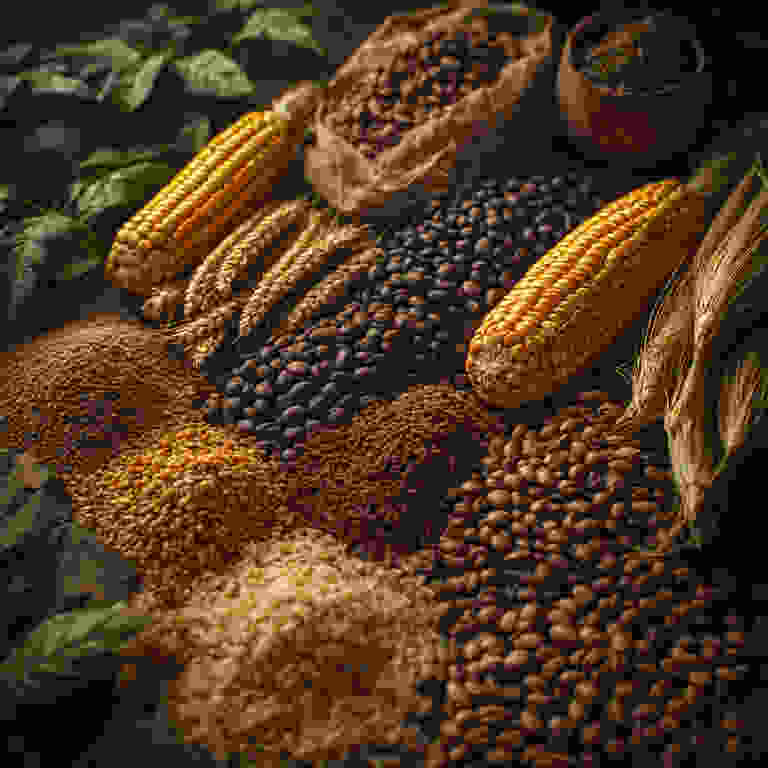
- Biofuels: Transportation fuels derived from biomass, including fuel ethanol (from corn, sugar cane) and biodiesel (from vegetable oils like palm and soybean oil)
How OPEC Coordinates with Financial Markets
The OPEC Reference Basket Price
Introduced in 1987, the OPEC Reference Basket (ORB) serves as a benchmark for OPEC oil prices. Initially calculated as an arithmetic average of seven crudes, since 2005 it has been calculated as a production-weighted average of member country crudes.
This basket price is closely watched by financial markets as an indicator of OPEC’s assessment of oil values and is used in pricing formulas for crude oil sales.
Production Quotas and Market Expectations
OPEC’s production decisions at semi-annual and special meetings of the OPEC Conference are major market-moving events. Financial market participants analyze quota decisions, compliance levels, and spare capacity to anticipate supply conditions.
In 2025-2026, a significant development is the implementation of third-party audits of member countries’ Maximum Sustainable Production Capacity (MSC). Under this mechanism, OPEC+ will commission independent assessments to set production baselines starting in 2027, replacing a patchwork of historical quotas.
Collaboration with Data Organizations
OPEC participates in the Joint Organisations Data Initiative (JODI) , contributing to global oil data transparency. This partnership helps improve information available to markets, supporting OPEC’s goal of reducing uncertainty and volatility.
The Evolution of OPEC’s Role
Historical Context
Before OPEC’s formation, the oil market experienced various supply management arrangements :
- Early producer alliances after 1859 largely failed to stabilize prices
- Rockefeller’s Standard Oil Trust dominated until its 1911 breakup
- Seven multinational companies later coordinated supply chains
- The Texas Railroad Commission regulated U.S. production starting in the 1930s
OPEC’s emergence in 1960 was a response to these arrangements, with developing countries seeking sovereignty over their natural resources.
Adaptation to Changing Markets
OPEC has continuously adapted its approach :
- Shifted from fixed pricing to market-based pricing in the 1980s
- Adopted flexible production quotas
- Expanded cooperation through OPEC+ in 2016
- Engaged with consumers and international organizations
Responses to OPEC’s Influence
The 1973 oil shock prompted oil-importing countries to establish the International Energy Agency (IEA) in 1974 to coordinate policy responses and build strategic reserves. The U.S. Strategic Petroleum Reserve was established in 1975, and strategic stocks have been released during multiple crises: the Gulf War (1991), Hurricanes Katrina and Rita (2005), the Libyan civil war (2011), and the Ukraine war (2022).
Challenges Facing OPEC
OPEC continues to face fundamental challenges that have historically undermined commodity agreements :
- New Supply Sources: The U.S. shale revolution has dramatically expanded non-OPEC supply, eroding OPEC’s market share
- Evolving Demand: The energy transition, improving efficiency, and changing consumer preferences are reshaping long-term oil demand
- Compliance Issues: Ensuring members adhere to production quotas remains an ongoing challenge, with countries like Iraq and Kazakhstan sometimes exceeding targets
- Information Gaps: OPEC must make production decisions despite incomplete data on global inventories and price elasticities
Conclusion
OPEC functions as a coordinating body for petroleum policies among major oil-exporting nations, seeking to stabilize markets and provide predictable revenues for producers while ensuring reliable supplies for consumers. Its influence on commodity prices operates primarily through managed production levels, with Saudi Arabia playing a particularly important role as a flexible producer with significant spare capacity.
The organization has demonstrated remarkable endurance over six decades, adapting to changing market conditions through mechanisms like the OPEC+ framework and evolving quota systems. The commodity products related to OPEC span the entire petroleum value chain—from various crude grades in the OPEC Basket to refined products like gasoline, diesel, and jet fuel, plus natural gas, NGLs, and emerging alternatives like biofuels.
As global energy markets undergo structural transformation driven by technology, policy, and environmental concerns, OPEC continues to navigate the same fundamental forces that have challenged commodity agreements throughout history: the emergence of new supply sources and the evolution of demand patterns.









2 comments