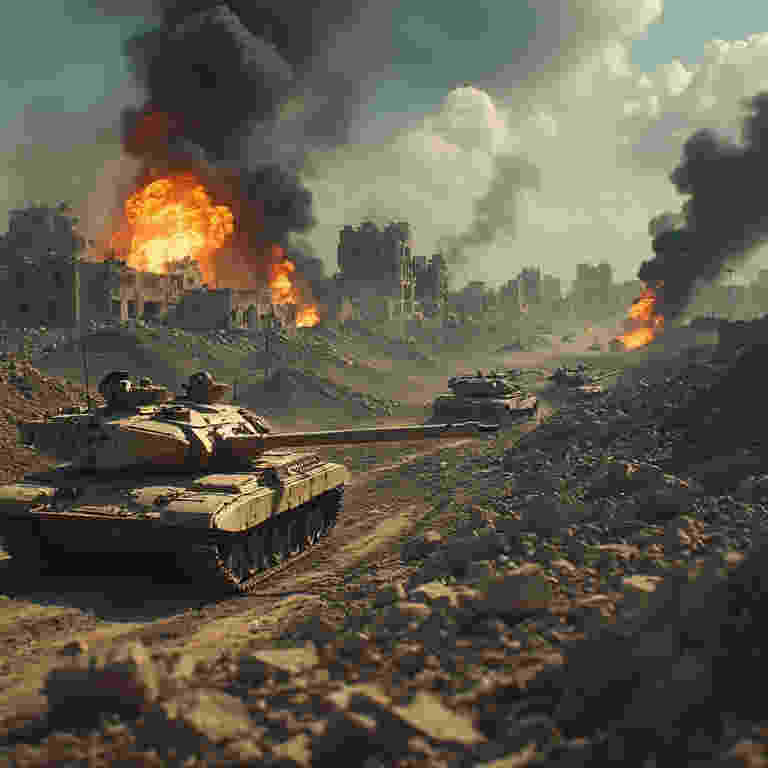
How Middle East War Affects Energy Prices Around the World
When Conflict Hits the Oil Fields
Energy markets are highly sensitive to geopolitical tension, especially when conflict involves the Middle East. The region remains one of the most important energy-producing areas in the world. A significant portion of global oil exports passes through strategic shipping routes there, and several major producers operate within a relatively small geographic area.
As in early March 2026, reports of escalated activity involving Iran , Israel, and certain Arab countries on March 1–2 intensified global concern. Even before physical damage assessments were completed, oil markets reacted quickly. This immediate reaction reflects how energy prices are shaped not only by current supply, but also by fear of future disruption.
This article is not financial advice, only opinion and information in the past and do not predict anything on assets in the future.
Why the Middle East Matters So Much to Energy
The Middle East holds a large share of proven global oil reserves and plays a central role in crude exports. Countries in the region are also key members of major production alliances that coordinate output levels.
Beyond production, geography matters. Critical maritime chokepoints such as narrow straits and shipping corridors handle a large percentage of global crude transport. When military activity occurs near these routes, markets immediately price in the possibility of delays, blockades, or insurance cost increases.
This is why even limited military exchanges — including targeted bombing operations like those reported on March 1–2, 2026 — can create global ripple effects, regardless of whether long-term infrastructure damage occurs.
Immediate Market Reaction: Fear Before Facts
Energy markets operate partly on expectations. When conflict escalates, traders assess worst-case scenarios:
- Could oil fields be damaged?
- Could export terminals be closed?
- Could shipping insurance costs rise?
- Could sanctions expand?
- Could regional alliances shift?
Prices often move before full confirmation of damage because supply chains are complex and fragile. The fear of disruption can be enough to cause volatility.
The strength of this rapid reaction is price discovery. Markets adjust quickly to new risk information. The risk is overreaction. If initial fears prove exaggerated, prices can reverse just as sharply.
Crude Oil: The Most Sensitive Asset
Crude oil is usually the first energy commodity to respond to Middle East conflict. Many major exporters in the region supply Asian, European, and global markets. Any hint of reduced output tightens global supply expectations.
If production facilities are threatened or transportation routes become unstable, global benchmarks react almost immediately. Insurance costs for tankers can also increase during military escalation, indirectly raising delivery costs.
Strength of the Oil Market
Oil markets are highly liquid and globally connected. Supply can sometimes be rebalanced through production increases in other regions, such as North America or offshore producers. Strategic reserves held by governments also act as a temporary buffer.
Risk of the Oil Market
However, oil remains a commodity vulnerable to concentrated geographic risk. A prolonged conflict involving multiple countries could affect both production and transportation simultaneously. Because oil is foundational for transportation, manufacturing, and petrochemicals, price spikes can influence inflation worldwide.
Natural Gas: Regional Sensitivity
Natural gas markets respond differently from oil. Gas is more regional because transportation often depends on pipelines or specialized liquefied natural gas (LNG) infrastructure.
If Middle Eastern LNG facilities are affected or shipping routes become risky, countries relying on imports may face supply concerns. However, gas supply chains are less globally flexible than oil, meaning disruptions may affect specific regions more than others.
Strength of Natural Gas
Diversification of LNG suppliers in recent years has improved resilience. Some regions now import gas from multiple continents, reducing dependence on a single source.
Risk of Natural Gas
Gas infrastructure is expensive and difficult to replace quickly. If a major export terminal becomes inoperable due to military damage, alternatives cannot always fill the gap immediately.
Electricity and Power Markets
Electricity prices in many countries are indirectly tied to fossil fuel costs. When oil or gas prices rise, power generation costs often increase as well. This can affect industrial production and household utility bills.
However, countries with higher shares of renewable energy or nuclear power may experience less immediate impact.
Strength of Diversified Power Systems
Regions that invested in renewable energy, nuclear plants, or hydropower often show more stability during fossil fuel disruptions. Their electricity prices are less directly linked to Middle East crude flows.
Risk for Fossil-Dependent Systems
Countries heavily reliant on imported fossil fuels face higher exposure. If conflict persists, governments may need to manage subsidy costs or adjust fiscal policy to cushion consumers.
Shipping and Insurance: The Hidden Cost
Energy pricing is not only about production. Transportation risk matters equally. Military tension increases shipping insurance premiums. Even if oil flows continue uninterrupted, tanker companies may charge higher rates to compensate for risk exposure.
These additional costs are usually passed through the supply chain, contributing to higher energy expenses globally.
The strength of global shipping networks is flexibility; routes can sometimes be adjusted. The risk is concentration. If a key corridor becomes unsafe, alternative routes may be longer and more expensive.
Renewable Energy: Indirect Effects
Conflict-driven fossil fuel volatility often increases attention on renewable energy sources. While renewables are not directly affected by Middle East military events, the perception of fossil fuel vulnerability can shift long-term policy discussion.
Strength of Renewables
Renewables such as solar and wind are not dependent on imported fuel once infrastructure is built. They provide domestic energy security.
Risk of Renewables
However, renewable infrastructure still depends on global supply chains for components like semiconductors and rare materials. If conflict expands into broader geopolitical tensions affecting trade, these supply chains could also face disruption.
See also : Alternative Energy’s Possibilities to Fill Oil’s Role
Regional Differences in Impact
The effect of Middle East conflict is not uniform worldwide.
- Energy-importing countries in Asia and Europe are often more directly exposed to price fluctuations.
- Energy-exporting countries outside the conflict region may experience revenue increases if global prices rise.
- The United States, with significant domestic production, may experience mixed effects: higher global prices but partial domestic supply insulation.
This uneven impact illustrates how interconnected yet unequal global energy systems are.
See also : As US Win or Lose the War, What Assets Will be Affected?
The Broader Economic Consequences
Energy prices influence inflation, transportation costs, food production, and manufacturing. When oil prices rise sharply, airlines face higher fuel expenses, shipping companies adjust freight charges, and agricultural producers pay more for fertilizer and transport.
However, not every conflict leads to sustained price changes. If military actions are limited and infrastructure remains intact, markets may stabilize after initial volatility.
The strength of global markets lies in adaptability. Producers outside the region can increase output over time. Consumers may reduce usage or seek alternatives. The risk lies in escalation. If conflict expands geographically or lasts longer than expected, structural supply constraints become more serious.
See also : What Determines the Effectiveness of Safe-Haven Asset in Wartime, The Impact of War on Stock Markets
Conclusion
The reported bombing activity involving Iran and certain Arab countries on March 1–2, 2026, demonstrates how quickly geopolitical events can ripple through global energy markets. Oil prices respond immediately because supply concentration and transportation chokepoints create vulnerability. Natural gas and electricity markets feel regional effects depending on infrastructure and import dependence. Shipping insurance and freight costs add another layer of influence.
Energy markets have strengths, including diversification, strategic reserves, and flexible production in other regions. Yet they also carry risks tied to geographic concentration, infrastructure fragility, and political escalation.
Ultimately, Middle East conflict does not just affect the region itself. Because energy is fundamental to modern economies, its price movements influence inflation, industrial activity, and consumer spending worldwide. The degree of impact depends less on headlines alone and more on whether physical supply and transportation are materially disrupted.
See also :
- The Impact of Geopolitical Events on Bitcoin in 2026
- How AI Is Shaping Business and Investment in 2026
- How War Affects the Global Shipping Industry in 2026
- How a Hormuz Blockage Would Affect Business Sectors Around the World in 2026
- How Poor People Can Improve Their Financial Situation in 2026
- Stock Sectors Affected by an Energy Crisis













2 comments