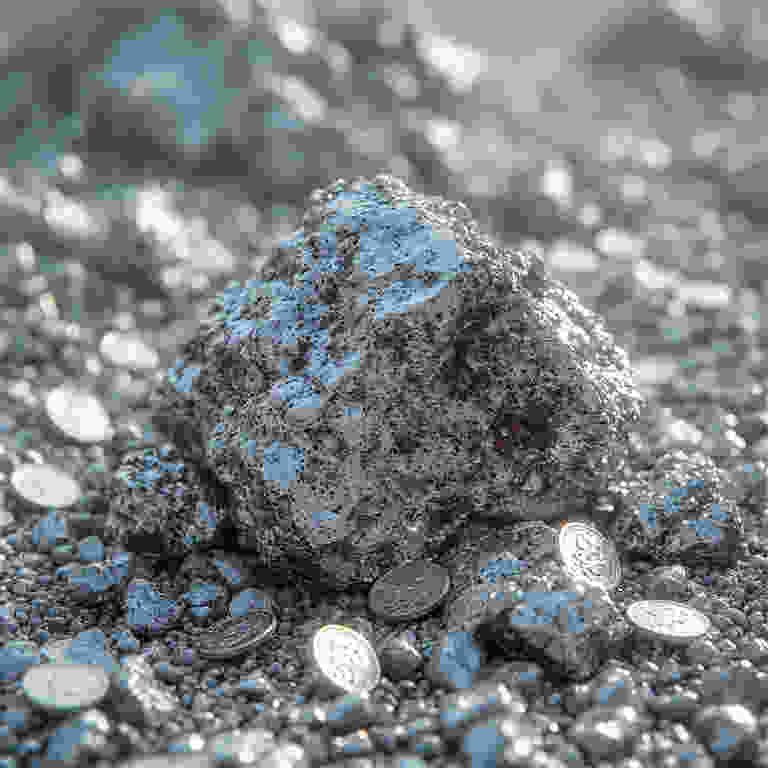
What is Silver and Its Roles as Asset, Commodity, and Others
Silver occupies a unique position in human civilization and modern markets. Unlike almost any other substance, silver simultaneously functions as an industrial commodity, a monetary metal, an investment asset, a store of value, and a material with cultural significance. This multiplicity of roles creates complex dynamics that have shaped silver’s history and continue to influence its place in the global economy. Understanding silver requires examining each of these dimensions and how they interact to create one of the world’s most versatile and historically important materials. This article is not financial advice and did not predict or suggest any movement on assets value in the future.
Silver as a Physical Element
Silver is a chemical element with the symbol Ag (from the Latin “argentum“) and atomic number 47. It’s a transition metal known for distinctive physical properties that explain many of its applications and value.
Silver is the most reflective metal, capable of reflecting about 95% of visible light when polished. This optical property makes it valuable for mirrors, telescopes, and various optical applications. It’s also the best thermal and electrical conductor of all metals, exceeding even copper in conductivity. This exceptional conductivity drives many industrial applications.
Silver is relatively soft and malleable, allowing it to be shaped, drawn into wire, or hammered into thin sheets. It’s also ductile, meaning it can be drawn into fine wires without breaking. These properties have made silver workable for artisans and craftspeople throughout history.
Silver is one of the noble metals, meaning it doesn’t corrode or tarnish easily under normal conditions, though it will develop a dark patina when exposed to sulfur compounds in air. This relative stability contributes to its value for coinage and jewelry.
Silver occurs naturally both in pure form and in ores combined with other metals, particularly lead, copper, and zinc. The majority of silver production today comes as a byproduct of mining these other metals rather than from dedicated silver mines.
Historical Monetary Role
Silver has served as money for millennia, perhaps even longer than gold. The word “money” itself derives from the Roman goddess Juno Moneta, whose temple in Rome housed the mint that produced silver denarii. Silver coins were the dominant form of money for ordinary transactions across many civilizations while gold was reserved for larger transactions and wealth storage.
Ancient civilizations including the Greeks, Romans, Chinese, and Persian empires all used silver as money. Silver’s abundance relative to gold made it more practical for everyday commerce—a gold coin would be too valuable for buying bread or simple goods, while silver provided convenient denominations for common transactions.
The Spanish dollar, a large silver coin minted from New World silver, became the first global currency, circulating across Europe, Asia, and the Americas from the 16th through 19th centuries. American colonists used Spanish silver dollars so extensively that when the United States established its own currency system, it based the dollar on the same weight and purity as the Spanish silver dollar.
Throughout much of the 19th century, many countries operated on a bimetallic standard where both gold and silver served as official money. Citizens could convert paper currency into either metal at legally fixed ratios. However, these systems faced challenges because the relative market values of gold and silver fluctuated while legal exchange ratios remained fixed, creating situations where one metal became undervalued and disappeared from circulation (a phenomenon described by Gresham’s Law—”bad money drives out good”).
The demonetization of silver occurred gradually through the late 19th and early 20th centuries as countries transitioned to gold standards. The U.S. stopped minting silver dollars for circulation in 1935 and removed silver from most coins by 1965. This demonetization reflected both the discovery of new silver sources that increased supply and gold’s superiority for international settlements between nations that didn’t need coin denominations suitable for buying groceries.
Despite official demonetization, silver retains monetary characteristics in the collective consciousness and continues to be minted into bullion coins by governments worldwide, maintaining a connection to its monetary past even as it no longer functions as actual currency.
Silver as an Industrial Commodity
Today, roughly half of silver demand comes from industrial applications, making it distinct from gold which has minimal industrial use. This industrial demand creates different price dynamics than purely monetary metals.
Electronics and Electrical Applications: Silver’s exceptional electrical conductivity makes it indispensable in electronics. It’s used in switches, contacts, conductors, and circuit boards. Every smartphone, computer, appliance, and automobile contains silver. The global proliferation of electronic devices creates steady industrial demand.
Solar Energy: Photovoltaic cells in solar panels use silver paste to conduct electricity. Each solar panel contains approximately 20 grams of silver. The growth of solar energy installation globally has made this one of the fastest-growing industrial uses of silver, though manufacturers continuously work on reducing silver content per panel to manage costs.
Medical Applications: Silver has antibacterial properties that humans have recognized for centuries. Modern medicine uses silver in wound dressings, creams, and medical instruments. Silver nanoparticles are incorporated into antibacterial coatings for medical equipment. This medical demand represents a small but stable portion of silver consumption.
Water Purification: Silver’s antimicrobial properties make it useful for water purification systems and filters. NASA has used silver-based systems for water purification on spacecraft.
Photography: Historically, silver halide crystals were essential for photographic film and paper. Digital photography has dramatically reduced this use, though some specialty photographic applications still consume silver.
Mirrors and Coatings: Silver’s high reflectivity makes it ideal for mirrors, particularly those requiring precise optical properties like telescopes. Reflective window coatings that reflect heat while allowing visible light through also use silver.
Brazing and Soldering: Silver alloys are used for joining metals in applications requiring high strength and reliability, from aerospace to plumbing.
Catalysts: Chemical manufacturing uses silver as a catalyst in various processes, including production of plastics and industrial chemicals.
This industrial demand creates price support—regardless of investment demand, industries need silver for manufacturing. However, it also means silver demand partially depends on economic cycles. During recessions when manufacturing slows, industrial silver demand typically decreases, creating different dynamics than gold which has minimal economic cycle sensitivity.
The industrial applications also mean significant silver is consumed and scattered in ways that make recovery difficult or uneconomical. Unlike gold, where almost all gold ever mined still exists in identifiable forms, much silver is effectively lost through industrial use, scattered in small quantities across millions of products.
Silver as an Investment Asset
Silver functions as an investment asset that individuals and institutions hold for various reasons, creating demand beyond industrial consumption.
Bullion Investment: Investors purchase physical silver in the form of coins, bars, or rounds. Government mints produce official bullion coins like the American Silver Eagle, Canadian Silver Maple Leaf, Austrian Silver Philharmonic, and others. Private mints produce bars and rounds in various sizes from one ounce to 1,000-ounce bars.
Physical silver investment appeals to those wanting tangible assets outside the financial system. Unlike stocks, bonds, or bank deposits that depend on counterparties and electronic records, physical silver exists independently. This tangibility attracts investors concerned about financial system stability or seeking assets that can’t be frozen, confiscated, or subject to capital controls as easily as financial assets.
Exchange-Traded Products: Silver ETFs and similar vehicles allow investors to gain silver exposure without holding physical metal. These products hold actual silver in vaults (in the case of physically-backed ETFs) or gain exposure through derivatives. They provide liquidity and convenience that physical metal cannot match.
Mining Stocks: Investors can gain leveraged exposure to silver prices through shares in silver mining companies. These stocks tend to amplify silver price movements—when silver prices rise, mining companies’ profits can increase even more dramatically. However, mining stocks also carry company-specific risks, operational challenges, and equity market correlation that pure silver doesn’t have.
Futures and Derivatives: Silver futures trade on exchanges like COMEX, allowing investors and hedgers to take positions without physical delivery. Options on futures and other derivatives provide additional ways to gain silver exposure or hedge existing positions.
The investment demand for silver fluctuates significantly based on macroeconomic conditions, currency concerns, inflation expectations, and broader investment sentiment. Unlike industrial demand which is relatively steady and predictable, investment demand can surge or evaporate quickly, creating volatility.
Silver’s Monetary Metal Characteristics
Although no longer official currency, silver retains characteristics that give it monetary metal status alongside gold.
Store of Value: Silver has maintained purchasing power over very long time horizons. While price volatility creates uncertainty over shorter periods, silver has preserved value across centuries. An ounce of silver in ancient Rome could buy a decent meal and simple clothing; an ounce of silver today provides similar real purchasing power.
No Counterparty Risk: Physical silver represents value independent of any government, corporation, or financial institution. It cannot default, declare bankruptcy, or fail to honor obligations. This makes it attractive during periods when confidence in institutions or currencies weakens.
Universally Recognized: Silver is recognized and valued worldwide. While specific forms (coins, bars) may have premiums or discounts, silver itself has universal value recognition that transcends national boundaries.
Divisible and Fungible: Silver can be divided into smaller units (though not as easily as electronic money) and any ounce of pure silver is functionally equivalent to any other ounce. This fungibility is a characteristic of good money.
Limited Supply: While not as scarce as gold, silver supply is ultimately limited by geology and mining economics. Unlike fiat currency that can be created without practical limit, new silver requires finding and extracting ore, a process constrained by physical and economic realities.
These monetary characteristics explain why silver attracts investment during currency crises, high inflation, or financial system stress. Investors treat it as money even though it no longer has official monetary status.
The Gold-Silver Relationship
Silver’s role cannot be fully understood without examining its relationship to gold. Historically and currently, the two metals share characteristics but also differ in important ways.
The Gold-Silver Ratio: This measures how many ounces of silver equal the value of one ounce of gold. Throughout history, this ratio has varied widely, from lows around 15:1 to highs exceeding 100:1. The ratio reflects changing relative supplies, different demand patterns (particularly industrial demand for silver but not gold), and shifting investor preferences.
Traders and investors watch this ratio for relative value opportunities. When the ratio is historically high (many ounces of silver per ounce of gold), some view silver as relatively cheap. When low, gold appears relatively cheaper. However, there’s no “correct” ratio—market forces determine relative values based on supply, demand, and broader economic conditions. There are an observation that Gold and Silver may part away.
Correlated but Distinct: Silver and gold prices correlate positively, generally moving in the same direction. Both respond to similar macroeconomic factors like currency concerns, inflation expectations, and crisis events. However, silver’s industrial demand and higher volatility create distinct price dynamics. Silver often amplifies gold’s movements—rising more percentage-wise when gold rises, falling more when gold falls.
Poor Man’s Gold: Silver is sometimes called “poor man’s gold” because its lower price per ounce makes it accessible to investors with modest capital. Someone unable to afford gold at $2,000 per ounce might buy silver at $25 per ounce. This accessibility creates a different investor base and market dynamics.
Silver Supply and Mining
Understanding silver’s supply dynamics provides context for its various roles.
Primary vs. Byproduct Production: The majority of silver comes as a byproduct of mining other metals, particularly lead, zinc, and copper. Only about 30% comes from primary silver mines where silver is the main product. This means silver supply partially depends on demand for these other metals—if lead or zinc mining slows, silver supply decreases even if silver prices rise.
Geographic Distribution: Major silver-producing countries include Mexico, Peru, China, Russia, and Australia. This geographic diversity means silver supply isn’t concentrated in any single region, though specific mines or regions can be significant.
Above-Ground Stocks: Unlike gold where virtually all gold ever mined still exists in identifiable forms, much silver has been consumed in industrial uses and scattered in forms that make recovery uneconomical. This means the stock-to-flow ratio (existing above-ground silver versus annual production) is lower for silver than gold.
Recycling: Some silver is recycled from industrial scrap, old jewelry, and photographic waste, though digital photography’s rise reduced this source. The economics of recycling depend on silver prices—higher prices make recovery from marginal sources economical.
Mine Economics: Silver mining costs vary widely by deposit type, location, and whether silver is the primary product or byproduct. Primary silver mines need certain price levels to be profitable, while byproduct silver production can continue even at lower prices since other metals drive the mining economics.
Cultural and Artistic Significance
Beyond economic roles, silver holds cultural and artistic importance across societies.
Jewelry and Adornment: Silver’s beauty, workability, and relative affordability compared to gold make it popular for jewelry worldwide. Sterling silver (92.5% pure silver, 7.5% other metals) is the standard for most silver jewelry, providing durability while maintaining silver’s appearance.
Silverware and Tableware: For centuries, silver was the material of choice for fine dining utensils and serving pieces. Sterling silver flatware, serving dishes, and tea services represent both functional objects and status symbols. While less common for daily use now, silver tableware retains value and prestige.
Religious and Ceremonial Objects: Many religions use silver for ceremonial objects. Christian churches use silver chalices and crosses. Other traditions incorporate silver into religious artifacts, ritual objects, and ceremonial items.
Cultural Traditions: In some cultures, silver jewelry or coins are traditional gifts for births, weddings, or other significant events. Indian culture particularly values silver for jewelry and ceremonial purposes.
Artistic Medium: Silver’s malleability makes it an attractive medium for sculptors and artisans. Silver casting, repoussé (hammering from the reverse side), and other techniques allow creation of intricate artistic works.
This cultural dimension creates demand that’s neither industrial nor strictly investment-related, representing appreciation for silver’s aesthetic and symbolic qualities.
Silver in Coinage Today
Although silver no longer circulates as currency, governments continue producing silver coins for collectors and investors.
Bullion Coins: Official government mints produce silver bullion coins that are legal tender, though their face value is far below their silver content value. These coins provide recognizable, standardized forms for silver ownership. They typically trade at small premiums above silver content value, with premiums varying based on coin popularity and market conditions.
Commemorative and Collectible Coins: Governments mint special edition silver coins celebrating events, anniversaries, or themes. These often command premiums above silver content value based on collectibility, mintage numbers, and design appeal.
Numismatic Market: Rare historical silver coins trade in the numismatic market where value derives from rarity, historical significance, and condition rather than just silver content. Some coins worth thousands of dollars contain only a few dollars’ worth of silver, with value coming from collectibility.
The continued governmental production of silver coins maintains silver’s connection to money even in the fiat currency era, representing a bridge between historical monetary role and modern investment demand.
Price Drivers and Volatility
Silver prices respond to a complex mix of factors reflecting its multiple roles.
Industrial Demand: Economic growth drives electronics, solar, and other industrial uses, supporting prices. Recessions reduce industrial demand, pressuring prices downward. This creates some correlation between silver and general economic conditions.
Investment Demand: Currency concerns, inflation fears, financial crises, or distrust of institutions can drive investment demand surges. Conversely, confidence in currencies and financial markets can reduce investment interest.
Monetary Policy: Low interest rates make holding non-yielding assets like silver less costly, while high rates create opportunity costs. Currency debasement concerns from expansionary monetary policy can drive silver demand as a monetary metal.
Mining Supply: New mine development or existing mine closures affect supply. However, because much silver comes as byproduct, supply doesn’t always respond quickly to price changes.
Investor Sentiment: Silver markets are relatively small compared to gold or major financial markets, making them susceptible to sentiment shifts. Positive sentiment can create buying that drives prices sharply higher; negative sentiment can cause rapid declines.
Technical Trading: Many participants trade silver based on technical analysis, chart patterns, and momentum. This creates self-reinforcing moves where price movements trigger additional buying or selling.
Silver is more volatile than gold, exhibiting larger percentage swings in both directions. This volatility reflects smaller market size, the mix of industrial and investment demand, and leverage available in futures markets.
Silver in Portfolio Context
Silver’s multiple characteristics give it various potential roles in investment portfolios.
Inflation Hedge: As a tangible asset with limited supply, silver can help preserve purchasing power during inflationary periods, though the relationship isn’t perfect or consistent across all timeframes.
Crisis Hedge: During financial system stress or currency crises, silver’s monetary metal characteristics can provide portfolio protection, though typically less reliably than gold.
Diversification: Silver’s price movements show relatively low correlation with stocks and bonds over long periods, providing diversification benefits. However, during severe market stress, correlations can increase as investors liquidate across asset classes.
Industrial Growth Play: Silver’s industrial uses mean it can benefit from technological advancement and economic growth, particularly in solar energy and electronics. This gives it different dynamics than purely monetary gold.
Volatility: Silver’s higher volatility compared to gold means it can provide greater percentage gains during favorable periods but also larger drawdowns during unfavorable ones. This makes it potentially attractive for more aggressive allocations but riskier than gold.
The appropriate role for silver in any portfolio depends on individual circumstances, objectives, and risk tolerance. Some investors hold none, others maintain substantial positions, and many fall somewhere between.
Practical Considerations for Silver Ownership
Physical silver ownership involves practical considerations that differ from paper assets.
Storage and Security: Silver is bulkier and heavier than gold for the same monetary value, making storage more challenging and expensive. A million dollars of gold fits in a small briefcase; a million dollars of silver requires substantial storage space and weight capacity.
Premiums and Spreads: Physical silver trades at premiums above spot price for purchase and below spot price for sale. These premiums vary based on form (coins generally higher than bars), market conditions, and dealer margins. The buy-sell spread represents a transaction cost that reduces returns.
Liquidity: While silver markets are liquid, selling large quantities of physical silver can be more challenging than selling financial assets. Coins are generally easier to sell than large bars; finding buyers for substantial quantities may require time or price concessions.
Verification: Unlike digital assets verified electronically, physical silver requires verification of authenticity and purity. Counterfeit concerns exist, particularly for products bought through non-reputable sources.
Form Choices: Silver comes in various forms—government coins, private mint rounds, small bars, large bars—each with different premiums, liquidity characteristics, and storage requirements. Choosing appropriate forms involves trade-offs between premium costs, liquidity, and storage efficiency.
Tax Treatment: Different jurisdictions treat silver differently for tax purposes. Some classify it as collectible with higher capital gains rates, others as investment with standard rates. Sales taxes may apply to silver purchases in some locations but not others.
Silver’s Environmental and Social Aspects
Silver mining and use have environmental and social dimensions worth understanding.
Mining Impact: Like all mining, silver extraction affects environments and communities. Environmental impacts include habitat disruption, water use, chemical processing, and waste generation. Responsible mining operations implement environmental management and community engagement, but standards and enforcement vary globally.
Recycling Potential: Silver can be recycled indefinitely without degradation. Recycling reduces environmental impact compared to primary mining, though current recycling rates vary by application. Electronics recycling captures some silver, though small quantities in each device make recovery challenging.
Social Considerations: Mining occurs in various socio-political contexts, from developed nations with strict labor and environmental standards to developing countries with less robust protections. Working conditions, community impacts, and benefit distribution vary significantly.
Sustainable Sourcing: Some investors consider sourcing when purchasing silver, preferring products from certified refiners or mines meeting certain environmental and social standards. However, silver’s fungibility means once refined, metal from different sources becomes indistinguishable.
The Silver Market Infrastructure
Understanding how silver trades provides context for its various roles.
Spot Market: The spot price represents immediate delivery transactions in wholesale markets. Major trading centers include London, New York, and Zurich. Spot prices quoted in media represent these wholesale transactions, which individual investors typically cannot access directly.
Futures Markets: COMEX in New York is the primary exchange for silver futures, where standardized contracts for future delivery trade. These markets enable price discovery, hedging, and speculation. Futures trading volume typically exceeds physical market volume, with most contracts settled financially rather than through delivery.
OTC Markets: Over-the-counter transactions between dealers, institutions, and large traders occur outside exchanges. This market handles customized transactions, large quantities, and various silver forms.
Retail Market: Individual investors purchase through dealers, online retailers, and coin shops, paying retail premiums above wholesale prices. This market provides access but at costs that wholesale markets don’t face.
Price Discovery: Silver prices are discovered through interaction of these markets, with futures markets often leading price movements that physical markets then follow.
Silver Compared to Other Metals
Placing silver in context with other metals illuminates its unique position.
Versus Gold: Silver is more abundant, less expensive per ounce, more volatile, and has significant industrial demand unlike gold. It serves similar monetary metal functions but with different characteristics and lower prestige.
Versus Platinum: Platinum is rarer and typically more valuable per ounce than gold, with substantial industrial demand particularly from automotive catalytic converters. Platinum’s industrial demand is more concentrated than silver’s diverse applications, creating different dynamics.
Versus Copper: Copper is a base metal with primarily industrial uses. While sharing some applications with silver (electrical conductors), copper lacks monetary metal characteristics and trades at far lower prices, measured in dollars per pound rather than per ounce.
Versus Palladium: Palladium is another precious metal with primarily industrial demand, particularly automotive. Like platinum, its concentrated demand creates different price dynamics than silver’s diversified uses.
Silver uniquely combines significant industrial demand with monetary metal characteristics, creating a hybrid nature that no other metal replicates.
Historical Price Movements and Lessons
Silver’s price history provides insights into its behavior under various conditions, though past patterns don’t guarantee future behavior.
The Hunt Brothers’ attempted silver corner in 1979-1980 drove prices briefly above $50 per ounce before collapsing, demonstrating how silver’s relatively small market can experience extreme volatility when large players attempt manipulation.
The 2008 financial crisis saw silver initially decline sharply alongside other assets as investors liquidated positions for cash, then rally strongly as monetary policy became expansionary and inflation concerns emerged.
The 2011 commodity boom saw silver approach $50 again before extended decline through much of the 2010s, showing how silver can experience multi-year trends in both directions.
These historical episodes illustrate silver’s volatility, its sensitivity to macroeconomic conditions and monetary policy, and its susceptibility to sentiment extremes—all consistent with its multiple roles and relatively modest market size.
Silver in Global Trade and Economics
Silver has influenced global trade and economic development throughout history and continues playing economic roles.
The discovery of massive silver deposits in the Americas, particularly the Potosí mine in present-day Bolivia, flooded Europe with silver in the 16th and 17th centuries. This influx helped finance European expansion but also contributed to inflation as silver’s increased supply reduced its purchasing power.
Silver trade routes, particularly the Manila Galleon route connecting the Americas to Asia via the Philippines, represented early globalization where New World silver flowed to China in exchange for goods, establishing trade patterns that influenced global commerce.
Today, silver mining provides employment and economic activity in producing countries, though it typically represents a smaller economic impact than major commodities like oil or iron ore. Countries with significant silver production may experience modest economic effects from price changes, but silver is rarely dominant in any major economy.
The Question of Silver’s “True” Role
With silver serving so many functions, questions arise about which role is primary or “true.” Is silver fundamentally an industrial commodity that happens to have monetary history? A monetary metal that happens to have industrial uses? An investment asset? A cultural artifact?
The answer is that silver simultaneously serves all these roles, with their relative importance shifting across time and context. During the 19th century, its monetary role dominated. In the mid-20th century, photographic and industrial uses became primary. Today, industrial applications, investment demand, and retained monetary characteristics all matter.
This multiplicity creates complexity but also resilience. Silver’s value doesn’t depend on any single use or narrative but on a combination of applications and characteristics. If industrial demand weakens, investment demand might strengthen; if investment interest wanes, industrial use continues.
Silver’s Enduring Relevance
Despite official demonetization decades ago and the decline of photographic uses, silver remains relevant across multiple domains. Its unmatched conductivity ensures continuing technological importance. Its historical monetary role and retained value storage characteristics maintain investment interest. Its beauty and workability sustain cultural and artistic applications.
The metal that has served humanity for thousands of years continues adapting to new roles while maintaining connections to ancient purposes. Silver’s unique combination of properties—physical, economic, cultural, and historical—ensures its continued significance across industrial, investment, and cultural spheres.
Understanding silver requires appreciating this multifaceted nature rather than reducing it to a single category. It is simultaneously commodity and money, industrial material and investment asset, utilitarian resource and object of beauty. This unique position among materials and assets makes silver one of humanity’s most versatile and persistently valuable resources.










2 comments