What Is Panic in Financial Markets? And Its Effects on Markets
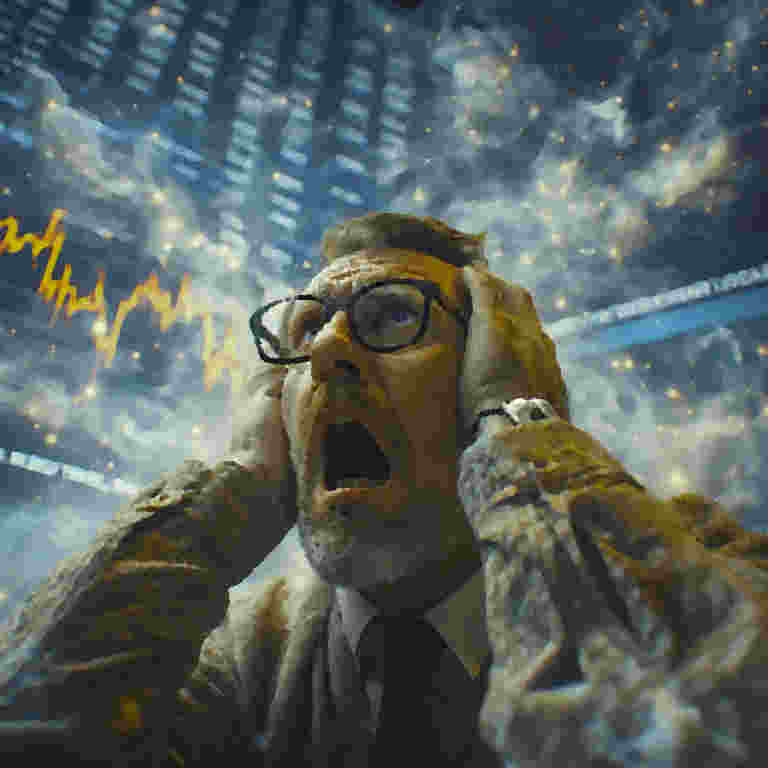
Panic in financial markets refers to a sudden, widespread wave of fear that drives investors to sell assets rapidly and indiscriminately, often regardless of underlying fundamentals. It is the extreme manifestation of “risk-off” sentiment, where the dominant emotion shifts from greed or complacency to acute fear of loss. Panic is characterized by sharp price declines, surging volatility, liquidity drying up, and herd behavior as participants rush for the exits simultaneously.
Panic is not merely a “bad day” in the markets—it is a psychological contagion that can amplify downturns far beyond rational levels, creating self-reinforcing downward spirals.
This article is not for financial advice or but for general informative purpose only.
The Psychology Behind Panic
Panic stems from human instincts:
- Loss Aversion: Behavioral studies show losses feel twice as painful as equivalent gains feel pleasurable.
- Herding Behavior: When others sell, fear of being left behind intensifies.
- Fight-or-Flight Response: In uncertainty, the brain prioritizes immediate survival (selling) over long-term analysis.
Triggers include:
- Unexpected negative events (crises, scandals, policy shocks).
- Margin calls and forced liquidations.
- Breakdown of technical support levels, triggering stops.
The VIX (“fear index”) often spikes above 30-40 during panic episodes, compared to 10-20 in calm periods.
Effects on the Stock Market
Stocks are highly sensitive to panic due to their direct link to economic confidence and corporate earnings expectations.
- Sharp Declines: Panic selling causes rapid drops. Circuit breakers (temporary trading halts) may activate on major indices.
- Example: March 2020 COVID panic saw the S&P 500 fall 34% in weeks.
- Liquidity Crunch: Bid-ask spreads widen dramatically; some stocks become untradeable.
- Sector Indiscrimination: Even strong companies get sold off (“baby with the bathwater”).
- Volatility Explosion: Daily swings of 5-10%+ become common.
- Long-Term Opportunities Emerge: Panic often overshoots, creating undervaluation for patient investors.
Historical parallels: 1987 Black Monday (22.6% single-day drop), 2008 financial crisis (57% bear market).
Effects on the Forex Market
Forex reacts swiftly to panic due to its 24/5 nature and massive leverage.
- Flight to Safety: Investors sell “risk” currencies and buy “safe-haven” currencies.
- Example: During 2022 Russia-Ukraine escalation, JPY and CHF surged while RUB collapsed.
- USD Dominance: As in the past, the dollar often strengthens as the world’s reserve currency and funding currency for carry trades unwinds.
- Volatility Spikes: Major pairs can move 200-500 pips in hours; exotics even more.
- Liquidity Gaps: Spreads widen dramatically outside major sessions; stop-loss hunting intensifies.
Effects on Other Markets
Commodities
- Risk-Off Selling: Industrial commodities (copper, oil) plunge on growth fears.
- Safe-Haven Demand: Gold often rallies as a store of value.
- Example: 2008 crisis saw oil drop from $147 to $32/barrel; gold held up better.
Bonds
- Flight to Quality: Government bonds (especially U.S. Treasuries) see massive buying, driving yields down sharply.
- Credit Spreads Widen: Corporate and high-yield bonds sell off.
Cryptocurrencies
- Highly correlated with risk assets during panic; often amplify stock declines.
- Example: 2022 crypto winter saw Bitcoin fall 75% alongside Nasdaq.
The Mechanics of a Panic Cycle
- Trigger Event → Uncertainty spikes.
- Initial Selling → Prices drop, triggering stops.
- Margin Calls/Liquidations → Forced selling accelerates decline.
- Media Amplification → Headlines fuel fear.
- Capitulation → Extreme oversold conditions; buying emerges.
- Recovery → Often sharp “V-shaped” when panic exhausts itself.
Historical Examples
- 1929 Wall Street Crash: Speculative bubble burst led to 89% Dow decline and Great Depression.
- 1987 Black Monday: Program trading and overvaluation caused global contagion.
- 2008 Financial Crisis: Lehman collapse triggered worldwide panic.
- March 2020 COVID Crash: Fastest 30% drop in history, followed by rapid recovery on stimulus.
Why Panic Matters
- Creates Oversold Conditions: Often marks market bottoms.
- Tests System Resilience: Reveals leverage excesses and liquidity weaknesses.
- Affects Real Economy: Credit freezes and wealth effects can deepen recessions.
Panic is the market’s emotional extreme—temporary but powerful. It accelerates declines, widens imbalances, and creates conditions that rational analysis alone cannot explain. While painful in real time, historical patterns show markets eventually stabilize as fear exhausts itself and value reemerges. Understanding panic helps contextualize extreme moves across stocks, forex, commodities, and beyond.











2 comments