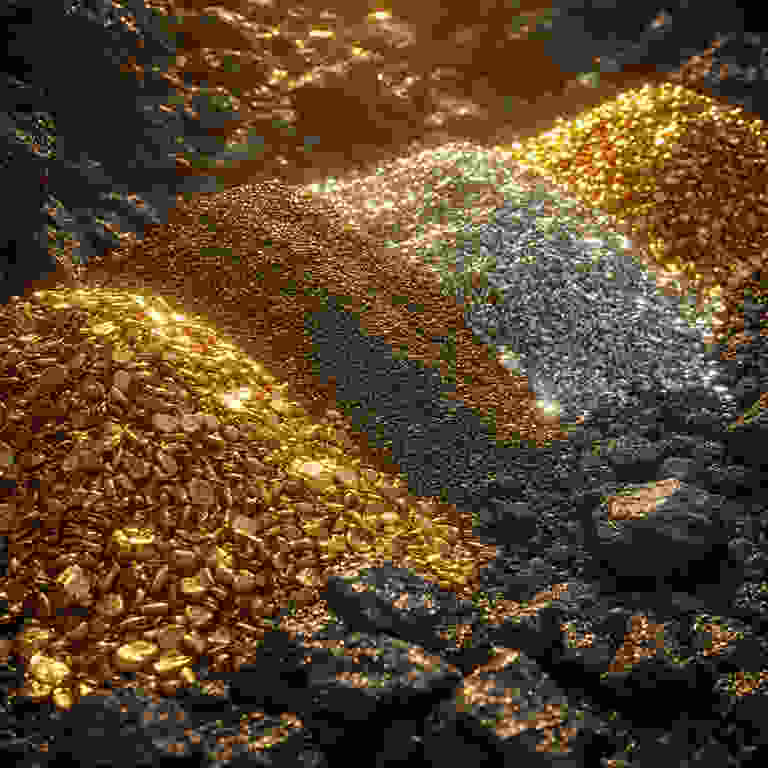
What is Copper and Its Roles as Materials, Commodity, and Others
Copper stands as one of humanity’s most important materials—a metal that has shaped civilization from the Bronze Age to the modern era. Understanding what copper is, how it functions as a commodity, its role as an industrial material, its characteristics as an investment asset, and its broader significance reveals fundamental connections between natural resources, technological development, economic activity, and the infrastructure supporting contemporary life. This article is not financial advice and did not predict or suggest any movement on assets value in the future.
What Is Copper?
Copper is a chemical element (symbol Cu, atomic number 29) classified as a transition metal. It appears in nature as a reddish-orange metal with distinctive properties that make it invaluable for human applications.
Physical and Chemical Properties
Electrical Conductivity: Copper is the second-best electrical conductor among all metals, surpassed only by silver. This exceptional conductivity—about 97% that of silver at significantly lower cost—makes copper the standard material for electrical wiring and transmission.
Thermal Conductivity: Copper conducts heat exceptionally well, making it ideal for heat exchangers, radiators, heating systems, and cookware.
Corrosion Resistance: Copper resists corrosion in most environments, forming protective oxide layers (patinas) that prevent further degradation. This durability makes copper suitable for plumbing, roofing, and outdoor applications.
Malleability and Ductility: Copper can be easily shaped, formed, drawn into wires, or rolled into sheets without cracking, enabling diverse manufacturing applications.
Antimicrobial Properties: Copper naturally kills bacteria, viruses, and fungi on contact. This property, recognized for centuries, has modern applications in hospitals, water systems, and public spaces.
Recyclability: Copper can be recycled indefinitely without quality degradation, making it one of the most recycled materials globally.
Historical Significance
Copper was among the first metals humans learned to work with, dating back over 10,000 years. The Copper Age (Chalcolithic period) saw copper tools replacing stone implements. When combined with tin, copper creates bronze—the alloy that gave its name to the Bronze Age (approximately 3300-1200 BCE).
Ancient civilizations—Egyptian, Mesopotamian, Indus Valley, Chinese—all utilized copper extensively for tools, weapons, decorative objects, and eventually coinage. The metal’s workability and durability made it fundamental to early technological development.
Copper as an Industrial Material
Modern civilization depends on copper across countless applications, making it arguably the most economically significant industrial metal.
Electrical Applications
Building Wiring: Virtually every building contains extensive copper wiring for electrical distribution. A typical single-family home contains 200-400 pounds of copper wire.
Power Generation and Transmission: Power plants, transformers, and electrical grids use enormous quantities of copper for generators, transmission lines, and distribution networks.
Electric Motors: Motors in appliances, industrial equipment, vehicles, and machinery require copper windings for electromagnetic fields.
Electronics: Circuit boards, connectors, semiconductors, and electronic components across all devices—smartphones, computers, televisions—depend on copper’s conductivity.
Telecommunications: Despite fiber optics replacing copper in many applications, telephone systems, internet infrastructure, and data centers still use substantial copper.
Transportation
Automobiles: Conventional vehicles contain 20-30 kg of copper in wiring, motors, radiators, and electronic systems. Electric vehicles require 60-90 kg—triple or quadruple conventional vehicles—for batteries, motors, charging systems, and increased electronics.
Railways: Electric trains, trams, and subways use copper in overhead lines, motors, transformers, and electrical systems.
Aircraft: Aerospace applications value copper for electrical systems, hydraulics, and heat management, with commercial aircraft containing several tons of copper.
Shipping: Marine applications include electrical systems, heat exchangers, and corrosion-resistant components.
Construction and Architecture
Plumbing: Copper pipes for water supply remain popular despite plastic alternatives, valued for durability, corrosion resistance, and antimicrobial properties.
HVAC Systems: Heating, ventilation, and air conditioning systems use copper in refrigerant lines, heat exchangers, and controls.
Roofing and Facades: Copper roofing develops distinctive green patinas over time, providing durable, attractive, self-protecting surfaces. Historic buildings worldwide feature copper roofing and architectural elements.
Building Infrastructure: Construction uses copper in lightning protection, sprinkler systems, door hardware, and various fixtures.
Industrial Equipment
Heat Exchangers: Industrial processes requiring heat transfer rely on copper’s thermal conductivity in exchangers, condensers, and radiators.
Chemical Equipment: Copper’s corrosion resistance suits chemical processing, distillation, and pharmaceutical manufacturing.
Machinery: Industrial machinery incorporates copper in bearings, bushings, valves, and fittings.
Renewable Energy and Technology
Solar Power: Photovoltaic panels use copper in conductors and connectors. Solar farms require extensive copper for panel connections and grid integration.
Wind Turbines: Each wind turbine contains 3-5 tons of copper in generators, transformers, and cabling.
Energy Storage: Grid-scale battery systems require copper for connections and electrical management.
Charging Infrastructure: Electric vehicle charging stations use copper extensively in cables, connectors, and power management systems.
The transition to renewable energy and electric transportation significantly increases copper demand intensity compared to fossil fuel-based systems.
Alloys and Composite Materials
Copper combines with other metals to create valuable alloys:
Brass: Copper + zinc, used in plumbing fittings, musical instruments, decorative hardware, ammunition casings.
Bronze: Copper + tin, used in bearings, marine hardware, sculptures, church bells.
Cupronickel: Copper + nickel, used in marine applications, coinage, heat exchangers.
Specialized Alloys: Various copper alloys serve specific industrial needs, from beryllium copper for springs and electrical connectors to aluminum bronze for marine propellers.
Copper as a Commodity
Copper trades as a global commodity with standardized specifications, organized markets, and price discovery mechanisms.
Mining and Production
Ore Sources: Copper occurs in various ore types—primarily chalcopyrite (copper iron sulfide), with other sources including bornite, chalcocite, and malachite.
Geographic Concentration: Chile produces roughly 25-30% of global copper, followed by Peru, China, Democratic Republic of Congo, and the United States. Australia, Russia, Zambia, and others contribute significant production.
Mining Methods: Both open-pit and underground mining extract copper ore. Open-pit mining dominates due to lower costs for large, low-grade deposits.
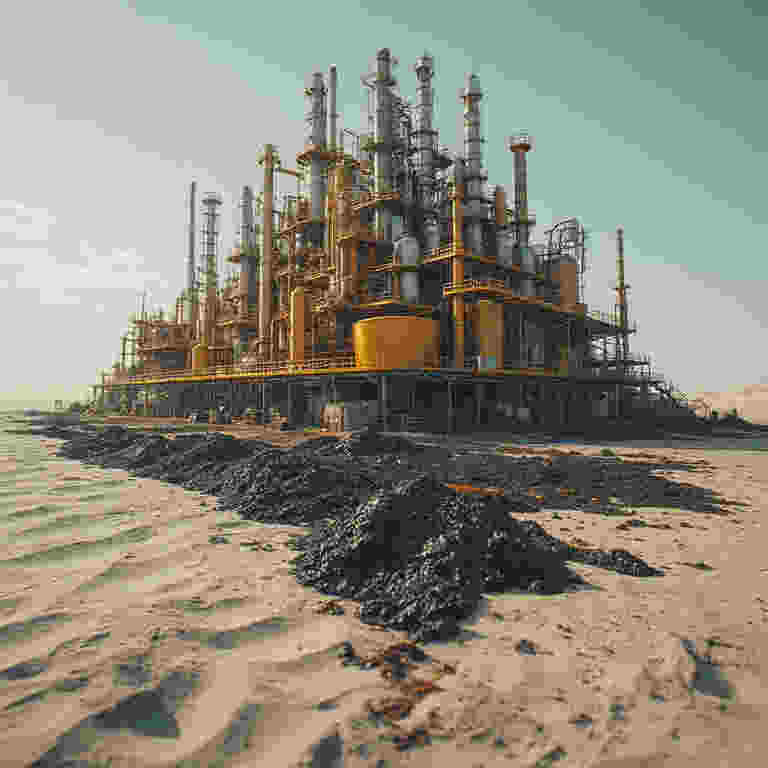
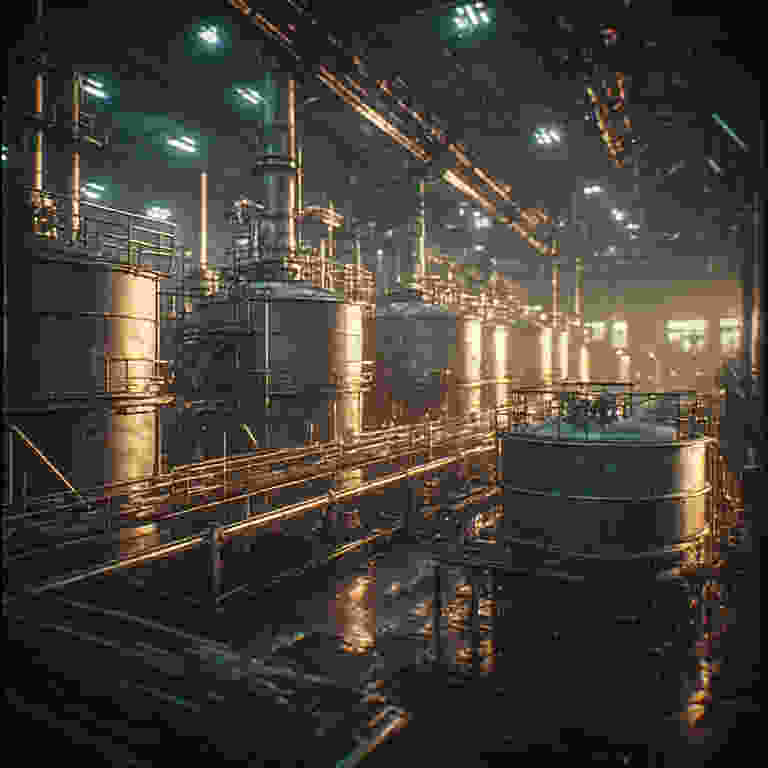
Processing: Mined ore undergoes crushing, grinding, concentration (flotation), smelting, and refining to produce pure copper cathodes—99.99% pure copper plates that are the standard commodity form.
Production Scale: Global copper production exceeds 20 million tons annually, requiring massive infrastructure and capital investment.
Commodity Market Trading
London Metal Exchange (LME): The primary global marketplace for industrial metals including copper (symbol: Cu). LME copper contracts specify 25 metric tons of copper cathodes meeting defined quality standards, deliverable at approved warehouses globally.
COMEX (CME Group): The major North American copper futures market (symbol: HG), trading contracts of 25,000 pounds (approximately 11.3 metric tons).
Shanghai Futures Exchange (SHFE): China’s domestic copper trading platform, reflecting the massive Chinese consumption that dominates global demand.
Contract Specifications: Standardized specifications ensure fungibility—copper meeting grade requirements from any approved producer is equivalent to any other. Minimum purity typically 99.95-99.99%.
Price Discovery and Benchmarks
Copper prices emerge from continuous trading reflecting:
- Current supply-demand balance
- Inventory levels in exchange warehouses
- Expected future supply and demand
- Macroeconomic conditions affecting industrial activity
- Currency movements (copper priced in dollars)
- Speculative positioning by investors and traders
LME Copper Price: Serves as global benchmark, influencing physical transaction pricing worldwide.
Futures Curve: The relationship between near-term and distant futures prices signals market expectations. Backwardation (near prices above distant prices) suggests tight current supply. Contango (distant prices above near prices) indicates adequate current supply.
Warehouse Stocks: Exchange-reported inventory levels provide visible supply indicators, though substantial copper exists in unreported private stocks, producer inventories, and consumer holdings.
Physical Market Dynamics
Beyond futures trading, physical copper trades through:
Producer Sales: Mining companies selling to consumers (manufacturers, traders) through long-term contracts or spot transactions.
Merchant Trading: Specialized commodity trading companies buying from producers and selling to consumers, providing liquidity and price discovery.
Processing Tolls: Concentrates (partially processed ore) trade separately from refined copper, with smelters charging fees (Treatment Charges and Refining Charges) that fluctuate with market conditions.
Premiums and Discounts: Physical copper trades at premiums or discounts to futures prices based on location, specific grade requirements, and local supply-demand conditions.
Copper as Dr. Copper: Economic Indicator
Copper earned the nickname “Dr. Copper” for its perceived diagnostic value in assessing economic health.
Why Copper Signals Economic Activity
Ubiquitous Industrial Use: Copper’s presence across construction, manufacturing, electronics, transportation, and infrastructure means demand correlates closely with broad economic activity.
Leading Characteristics: Construction and industrial investment decisions often precede broader economic changes. Copper demand may rise as building projects begin or fall as investment plans are cancelled, potentially ahead of GDP changes.
Supply Inelasticity: Copper supply responds slowly to demand changes due to long mining project timelines. Price movements therefore primarily reflect demand changes, which track economic activity.
No Substitution at Price: Unlike some commodities where price increases drive substitution, copper’s unique properties make substitution difficult in most applications, so demand changes reflect genuine activity rather than substitution effects.
Interpreting Copper Signals
Rising Copper Prices: Often interpreted as indicating:
- Strengthening global economic activity
- Increasing industrial production
- Growing construction and infrastructure investment
- Potentially improving employment and business conditions
Falling Copper Prices: Often interpreted as signaling:
- Weakening economic activity
- Declining industrial production
- Reduced construction activity
- Potential economic slowdown or recession
Limitations: While copper provides economic signals, interpretation requires nuance:
- Supply disruptions can affect prices independently of demand
- Speculation and financial flows influence prices beyond fundamentals
- China’s dominant consumption (often 50%+ of global demand) means Chinese conditions particularly affect copper prices
- Currency movements (dollar strength/weakness) affect dollar-denominated copper prices
Copper in Economic Analysis
Economists, central banks, and market analysts monitor copper alongside other indicators:
- Confirmation or contradiction of other economic data
- Leading signals before official statistics are published
- Global growth indicators (copper trades globally with single price)
- Validation of equity market movements (stocks might rise/fall contrary to copper signals)
Copper as an Investment Asset
Beyond its industrial use, copper serves as an investment asset with distinct characteristics.
Investment Rationales
Economic Growth Exposure: Copper provides direct exposure to global economic growth and industrial activity, particularly in emerging markets undergoing infrastructure development and industrialization.
Inflation Hedge: As a tangible commodity with production costs tied to energy and labor, copper prices often rise during inflation, potentially preserving purchasing power.
Supply-Demand Fundamentals: Long-term supply constraints from limited new mine development versus growing demand from electrification and renewable energy create fundamental investment thesis.
Diversification: Copper shows different return patterns than financial assets, providing portfolio diversification benefits. Correlations with stocks and bonds vary over time and conditions.
China Exposure: Copper provides indirect exposure to Chinese economic development without directly investing in Chinese securities.
Investment Vehicles
Physical Copper: Buying and storing actual copper (cathodes, bars) is impractical for most investors due to storage costs, transportation expenses, and insurance requirements. More suitable for industrial consumers than financial investors.
Futures Contracts: LME or COMEX copper futures provide direct price exposure with leverage. Requires active management, understanding futures mechanics, margin requirements, and dealing with contract rolls.
Copper ETFs and ETNs: Exchange-traded funds holding copper futures or physically-backed copper provide convenient exposure:
- Futures-based ETFs: Hold rolling copper futures positions, subject to roll costs/benefits from contango/backwardation
- Physically-backed ETFs: Actually hold copper in warehouses (less common than gold/silver ETFs due to storage costs)
Mining Stocks: Shares in copper mining companies provide leveraged exposure to copper prices:
- When copper prices rise, mining company profits rise more dramatically (operating leverage)
- Include company-specific risks: management quality, operational issues, political risks, cost overruns
- Correlate with equity markets more than physical copper, reducing diversification benefits
Copper-Focused Funds: Mutual funds or ETFs holding baskets of mining stocks provide diversified mining exposure without single-company risk.
Investment Characteristics
Volatility: Copper prices exhibit significant volatility from:
- Economic cycle sensitivity (demand swings during expansions/contractions)
- Supply disruptions (mine accidents, strikes, political instability)
- Currency movements affecting dollar-denominated prices
- Speculative flows from hedge funds and commodity investors
No Yield: Unlike bonds or dividend stocks, copper holdings generate no income. Returns come solely from price appreciation, creating opportunity costs when interest rates rise.
Storage Costs: Physical copper or physically-backed ETFs incur storage expenses reducing returns. Futures-based strategies face roll costs in contango markets.
Cyclicality: Copper’s economic sensitivity creates cyclical returns—strong during economic expansions, weak during recessions. This cyclicality can be advantageous for timing or challenging for buy-and-hold strategies.
China Dependency: Chinese demand dominance (50%+ of global consumption) makes copper prices highly sensitive to Chinese economic conditions, policy decisions, and infrastructure spending.
Copper in Different Economic Contexts
Copper’s role varies across economic environments.
During Economic Expansions
Demand Growth: Construction, manufacturing, and infrastructure investment drive increasing copper consumption. Prices typically rise as demand outpaces supply capacity.
Investment Appeal: Growth expectations make copper attractive to investors seeking economic growth exposure. Mining stocks perform well as profitability improves.
Supply Constraints: Even during growth, new mine development takes 5-10 years, creating supply lags that support prices.
During Recessions
Demand Contraction: Reduced construction, manufacturing slowdowns, and deferred investment reduce copper consumption. Prices typically fall sharply.
Inventory Buildup: Reduced consumption while production continues causes inventory accumulation, pressuring prices downward.
Investment Exodus: Risk aversion causes investors to exit copper positions, amplifying price declines beyond fundamental demand reduction.
During Inflation
Cost-Push: Rising energy, labor, and material costs increase copper production expenses, supporting minimum price levels.
Tangible Asset Appeal: Investors seeking inflation protection may increase copper allocations as a tangible commodity.
Demand Impact: High inflation often coincides with slower economic growth, potentially reducing copper demand and creating conflicting price pressures.
During Deflation/Disinflation
Price Pressure: General price declines and weak demand create deflationary pressures on copper prices.
Production Cuts: Falling prices force high-cost production offline, eventually balancing markets but often after extended price weakness.
Environmental and Sustainability Considerations
Copper’s role in modern society includes environmental dimensions.
Mining Environmental Impacts
Habitat Disruption: Large-scale open-pit mining creates massive landscape alterations, affecting ecosystems and local environments.
Water Usage: Copper processing requires substantial water, creating concerns in water-scarce regions.
Waste Generation: Mining generates enormous waste quantities—tailings (ground rock after mineral extraction) and overburden (rock removed to access ore).
Chemical Processing: Smelting and refining produce emissions and require chemical inputs with environmental management requirements.
Remediation: Modern mining increasingly includes reclamation plans, though historical sites often require extensive environmental cleanup.
Recycling and Circular Economy
High Recycling Rates: Roughly 30% of global copper consumption comes from recycled material. In developed countries, recycling rates for copper products exceed 50%.
Quality Retention: Recycled copper is indistinguishable from mined copper in quality, making recycling economically and technically viable.
Energy Savings: Recycling copper requires 85% less energy than primary production from ore, reducing environmental impact and production costs.
Urban Mining: End-of-life products (buildings, vehicles, electronics) contain substantial copper that can be recovered, creating “urban mining” opportunities.
Role in Energy Transition
Decarbonization Enabler: Renewable energy systems and electric vehicles require far more copper than fossil fuel equivalents, making copper essential for climate change mitigation despite mining impacts.
Paradox: Increasing copper production to enable renewable energy creates environmental impacts, but those impacts are generally less severe than continued fossil fuel dependence.
Sustainable Mining Pressure: Demand for “clean” copper creates pressure for improved mining practices, reduced emissions, better waste management, and stronger community engagement.
Copper in Different Industries and Sectors
Construction Industry
Construction represents roughly 30% of copper consumption:
- Residential buildings: wiring, plumbing, HVAC
- Commercial buildings: electrical systems, telecommunications, building automation
- Infrastructure: power transmission, water systems, transportation
Construction cycles significantly influence copper demand. Housing booms drive consumption; construction downturns reduce demand.
Manufacturing Sector
Manufacturing uses copper across diverse applications:
- Machinery and equipment fabrication
- Appliance manufacturing
- Industrial motors and generators
- Process equipment and heat exchangers
Industrial production indexes correlate closely with manufacturing copper demand.
Automotive Industry
Vehicle production creates steady copper demand:
- Conventional vehicles: 20-30 kg copper each
- Hybrid vehicles: 40-50 kg copper each
- Battery electric vehicles: 60-90 kg copper each
The shift to electric vehicles significantly increases per-vehicle copper intensity, though total vehicle production numbers also matter.
Technology and Electronics
Electronics represent growing copper demand:
- Consumer electronics (smartphones, computers, televisions)
- Data centers and telecommunications infrastructure
- 5G network buildout
- Internet of Things devices
While individual devices use small copper amounts, massive production volumes create substantial aggregate demand.
Energy Sector
Energy applications include:
- Power generation facilities (conventional and renewable)
- Electrical transmission and distribution grids
- Transformers and substations
- Grid modernization and smart grid systems
Energy infrastructure represents long-term copper demand that’s less cyclical than construction.
Copper Market Participants
Diverse participants interact in copper markets:
Producers (Miners)
Major copper mining companies include:
- BHP (Australia/UK)
- Codelco (Chile, state-owned)
- Freeport-McMoRan (USA)
- Glencore (Switzerland)
- Southern Copper (Mexico/Peru)
- Anglo American (UK)
These companies explore, develop, and operate mines, selling copper to consumers or merchants.
Consumers (Manufacturers)
Manufacturing companies purchase copper for production:
- Wire and cable manufacturers
- Tube and pipe producers
- Electronics manufacturers
- Construction material suppliers
- Automotive companies
Large consumers often hedge copper price risk through futures markets.
Merchants and Traders
Specialized commodity trading companies:
- Buy from producers and sell to consumers
- Provide financing, logistics, and market liquidity
- Take inventory risk and market positions
- Facilitate global trade flows
Examples include Trafigura, Glencore (also mines), Mercuria.
Investors and Speculators
Financial participants include:
- Commodity-focused hedge funds
- Commodity index funds (passive allocators)
- Proprietary trading firms
- Retail investors through ETFs
- Mining company equity investors
These participants provide liquidity but also create price volatility through position changes.
Industrial Consumers
End-user industries purchasing copper or copper products:
- Construction companies
- Utilities
- Automotive manufacturers
- Electronics producers
Their purchasing decisions drive fundamental demand.
Supply-Side Dynamics
Understanding copper supply helps explain market behavior.
Mine Development Timeline
New copper mines require 5-10+ years from discovery to production:
- Exploration: 2-5 years finding and delineating deposits
- Feasibility and permitting: 2-5 years studying economics and obtaining approvals
- Construction: 2-4 years building mine and processing facilities
- Ramp-up: 1-2 years reaching full production
This extended timeline means supply cannot respond quickly to price signals.
Declining Ore Grades
Average ore grades (copper content per ton of rock) have declined globally as high-grade deposits deplete:
- Historical mines: 2-5% copper content
- Modern mines: 0.5-1% copper content increasingly common
- Future prospects: Even lower grades requiring more rock processing per unit copper
Declining grades increase production costs, energy consumption, and waste generation.
Capital Intensity
Developing major copper mines requires billions of dollars in capital investment:
- Upfront costs before revenue generation
- Long payback periods
- Sensitivity to metal prices during development
- Financing challenges during low price periods
High capital requirements limit supply responses and concentrate production among well-capitalized companies.
Political and Regulatory Risks
Copper mining faces political risks:
- Resource nationalism (government ownership, increased taxes/royalties)
- Environmental regulations (stricter standards, permitting delays)
- Community opposition (local resistance to mining operations)
- Political instability (production disruptions from conflicts or unrest)
Major producing countries (Chile, Peru, DRC) have experienced various political challenges affecting production.
Operational Risks
Day-to-day mining faces operational challenges:
- Labor issues and strikes
- Equipment failures and maintenance
- Geological surprises (ore quality variations, water ingress)
- Natural disasters (earthquakes, floods affecting mines)
These factors create supply uncertainty and price volatility.
Demand-Side Dynamics
Copper demand responds to multiple factors.
Economic Growth
GDP growth correlates strongly with copper consumption:
- Infrastructure investment during development
- Manufacturing expansion
- Construction activity
- Rising living standards increasing electrical usage
Emerging markets industrializing and urbanizing drive long-term demand growth.
Urbanization
Urban living requires more copper per capita than rural living:
- Buildings (residential and commercial)
- Transportation infrastructure
- Utilities and services
- Communication networks
Global urbanization trends support long-term copper demand.
Electrification
Increasing electrical usage per capita drives copper demand:
- Growing electricity consumption
- Expanding electrical grids
- More electrical devices and appliances
- Industrial electrification
Technological Change
Technology affects copper demand:
- Miniaturization reduces copper per device but higher device quantities offset
- Renewable energy and EVs dramatically increase copper intensity
- 5G networks require more copper than previous generations
- Data centers and cloud computing increase infrastructure copper needs
Substitution
Some applications allow substituting alternative materials:
- Aluminum replaces copper in some electrical applications when copper prices rise significantly
- Fiber optics replaced copper in telecommunications
- Plastics replaced copper in some plumbing applications
However, copper’s unique properties limit substitution in many critical applications.
Looking at Copper Comprehensively
Copper represents simultaneously a naturally occurring element, an industrial material essential to modern civilization, a globally traded commodity, an economic indicator, and an investment asset. Its importance spans:
Material Science: Unique electrical, thermal, and mechanical properties making it irreplaceable in countless applications.
Economic Activity: Pervasive use across industries making consumption a reliable economic indicator.
Global Trade: Standardized commodity flowing globally from concentrated production to dispersed consumption.
Investment Markets: Asset class providing exposure to growth, inflation, and industrial development.
Environmental Considerations: Mining impacts versus essential role in renewable energy transition.
Development Economics: Crucial input for infrastructure, industrialization, and rising living standards.
Understanding copper means appreciating how natural resource availability, technological applications, economic dynamics, and human development interconnect. From ancient metallurgy to modern renewable energy systems, copper has enabled human technological advancement while creating economic opportunities and environmental challenges.
For investors, copper offers exposure to industrial development and economic growth with volatility reflecting cyclical demand and inelastic supply. For businesses, copper is an essential input whose cost and availability affect operations across sectors. For policymakers, copper represents strategic resource considerations, environmental management challenges, and development opportunities.
The metal that once enabled humanity’s Bronze Age now enables the renewable energy transition, demonstrating how this reddish metal continues shaping civilization thousands of years after humans first learned to work it.









2 comments