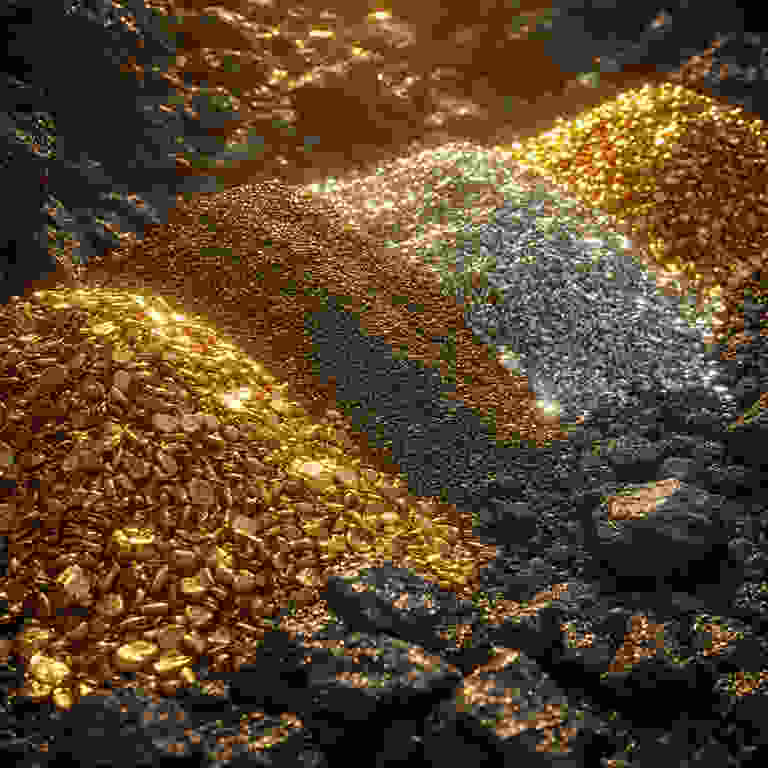
What are Industrial Metals?
The Building Blocks of Modern Civilization
Industrial metals form the literal infrastructure of modern civilization—the materials from which buildings, vehicles, electronics, machinery, and countless other products are constructed. Understanding what industrial metals are, how they function in commodity markets, their economic significance, and their role in investment provides insight into fundamental drivers of industrial development, economic growth, and global trade. These metals represent the tangible materials transforming human labor and ingenuity into the physical structures and systems supporting contemporary life.
This article is an explanation of concepts and information, not financial advice.
Defining Industrial Metals
Industrial metals, also called base metals, are metallic elements primarily used in commercial and industrial applications rather than for monetary purposes or jewelry (which distinguishes them from precious metals like gold and silver). They’re characterized by relatively abundant supply compared to precious metals, lower per-unit value, and essential roles in manufacturing, construction, and infrastructure.
The term “base metals” historically referred to metals that oxidize or corrode relatively easily, distinguishing them from “noble metals” (gold, silver, platinum group) that resist corrosion. In modern usage, it refers to metals whose primary value comes from industrial utility rather than monetary or ornamental functions.
Industrial metals are fundamental inputs for economic activity—you cannot build a skyscraper, manufacture automobiles, generate electricity, or create electronics without these materials. Their consumption correlates closely with economic development and industrial production, making them both drivers of economic growth and indicators of economic health.
Major Industrial Metals
Copper (Symbol: HG on COMEX, Cu on LME)
Copper is perhaps the most economically significant industrial metal, earning the nickname “Dr. Copper” for its diagnostic value in assessing economic health.
Properties and Uses: Copper‘s exceptional electrical and thermal conductivity—second only to silver—makes it indispensable for electrical wiring, motors, transformers, and electronics. Its corrosion resistance, malleability, and antimicrobial properties extend uses to plumbing, heat exchangers, architectural applications, and medical equipment.
Major applications include:
- Electrical wiring in buildings and infrastructure (accounts for roughly half of copper consumption)
- Electronics and circuit boards
- Electric motors and generators
- Plumbing and heating systems
- Telecommunications infrastructure
- Transportation (vehicles contain 20-50 kg of copper each)
- Renewable energy systems (wind turbines, solar panels use copper extensively)
Economic Significance: Copper consumption correlates strongly with economic activity because construction, manufacturing, and infrastructure development all require substantial copper. When economies grow, copper demand rises; when economies contract, demand falls. This sensitivity makes copper prices a leading economic indicator that analysts and investors monitor for signals about global growth.
The electric vehicle transition dramatically affects copper demand—EVs use 3-4 times more copper than conventional vehicles, while charging infrastructure and grid upgrades require additional copper.
Supply and Production: Chile and Peru together account for roughly 40% of global copper mine production. Other major producers include China, the Democratic Republic of Congo, and the United States. The copper market faces ongoing questions about whether supply can meet demand from electrification and renewable energy transitions.
Copper mining requires significant capital investment and faces long lead times from discovery to production, creating supply inelasticity that contributes to price volatility.
Aluminum (Symbol: ALI on COMEX, AH on LME)
Aluminum is the most abundant metallic element in Earth’s crust and the second most widely used metal after iron and steel.
Properties and Uses: Aluminum’s light weight (one-third the density of steel), corrosion resistance, and strength when alloyed make it valuable for applications where weight reduction matters. It conducts electricity well (though not as well as copper) and is infinitely recyclable without quality degradation.
Major applications include:
- Transportation (aircraft, automobiles, rail—weight reduction improves fuel efficiency)
- Packaging (beverage cans, food containers, foil)
- Construction (windows, doors, siding, roofing)
- Electrical transmission lines (lighter than copper for long-distance power transmission)
- Machinery and equipment
- Consumer durables (appliances, electronics housings)
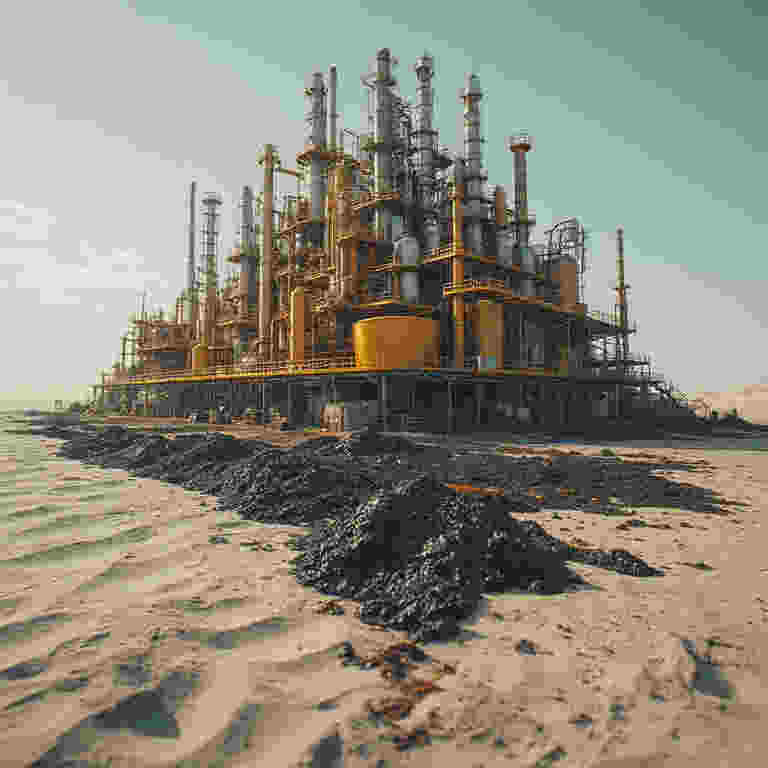
Production Process: Aluminum production is extremely energy-intensive, requiring electricity to extract aluminum from bauxite ore through the smelting process. This makes aluminum prices sensitive to electricity costs, and production tends to concentrate in regions with cheap power (hydroelectric, natural gas, coal).
The energy intensity also means aluminum production creates significant carbon emissions, driving industry efforts toward renewable energy and recycling (recycled aluminum requires 95% less energy than primary production).
Supply Dynamics: China dominates aluminum production, accounting for over half of global output. Other significant producers include Russia, India, Canada, and the UAE. The geographic distribution of bauxite (the ore), alumina refineries (intermediate processing), and smelters (final production) creates a complex global supply chain.
Nickel (Symbol: NI on LME)
Nickel is a silvery-white metal essential for stainless steel production and increasingly important for battery technology.
Properties and Uses: Nickel provides corrosion resistance, strength, and ductility. Its heat resistance and ability to maintain properties at high temperatures make it valuable for demanding applications.
Major applications include:
- Stainless steel production (accounts for about 70% of nickel consumption)
- Alloy production for aerospace, chemical processing, and specialized applications
- Electroplating for corrosion protection
- Rechargeable batteries, particularly nickel-metal hydride and increasingly lithium-ion batteries for electric vehicles
- Coinage (though some countries are reducing nickel in coins)
Battery Revolution: The electric vehicle transition has transformed nickel’s market dynamics. High-nickel lithium-ion batteries offer greater energy density, driving demand from automotive manufacturers. This battery demand represents a growing portion of total nickel consumption and affects long-term price expectations.
Different nickel grades serve different purposes—high-purity nickel for batteries versus lower grades for stainless steel—creating a complex market with price differentials based on nickel form and purity.
Supply Considerations: Indonesia and the Philippines are major nickel ore producers, while China, Japan, and Russia operate significant refining capacity. Indonesia’s periodic export bans on nickel ore to encourage domestic processing have created supply disruptions and price volatility.
The nickel market has experienced dramatic events including the 2022 short squeeze on the LME that forced trading suspension, highlighting the market’s complexity and potential for disruption.
Zinc (Symbol: ZN on LME)
Zinc is a bluish-white metal primarily used for galvanizing steel to prevent corrosion.
Properties and Uses: Zinc’s primary value comes from corrosion protection through galvanizing—coating iron or steel with zinc creates a barrier and provides cathodic protection (zinc corrodes preferentially, protecting the underlying steel).
Major applications include:
- Galvanized steel (roughly half of zinc consumption—used in construction, automotive, infrastructure)
- Alloys, particularly brass (copper-zinc) and die-casting alloys
- Zinc oxide for rubber, paints, cosmetics, pharmaceuticals
- Batteries (zinc-carbon, alkaline, zinc-air)
- Agricultural supplements (zinc deficiency in soil affects crop yields)
Market Dynamics: Zinc demand correlates with construction and infrastructure activity since galvanized steel is essential for these applications. The automotive industry also represents significant demand through galvanized body panels and die-cast components.
Zinc often occurs in the same ore deposits as lead, creating linked production where zinc and lead are co-produced. This connection affects supply responses to price changes—zinc prices might rise, but production increases depend on lead market conditions as well.
Production: China produces roughly 40% of mined zinc, followed by Peru, Australia, and the United States. Zinc smelting and refining occur globally, with China also dominating refined zinc production.
Lead (Symbol: LL on LME)
Lead is a heavy, soft, malleable metal with a long history of human use, though health concerns have reduced some traditional applications.
Properties and Uses: Lead’s high density, softness, malleability, and resistance to corrosion made it widely used historically. Modern applications focus on areas where lead’s properties are essential and exposure can be controlled.
Major applications include:
- Lead-acid batteries (dominant use, roughly 85% of lead consumption—automotive batteries, backup power, industrial batteries)
- Radiation shielding (medical, nuclear facilities)
- Ammunition and firearms
- Cable sheathing for protection
- Specialized applications (weights, soundproofing, certain chemicals)
Health and Environmental Considerations: Lead’s toxicity, particularly to children’s neurological development, has eliminated many historical uses (leaded gasoline, lead paint, lead plumbing in most jurisdictions). Regulations restrict lead use, and handling requirements increase costs.
However, lead-acid batteries remain essential for automotive starting batteries and backup power systems. Battery recycling has become highly efficient—lead-acid batteries have among the highest recycling rates of any consumer product, with recycled lead accounting for the majority of lead supply in many countries.
Market Structure: Lead demand is relatively stable, tied primarily to vehicle production (for starter batteries) and replacement battery demand. The shift to electric vehicles affects lead demand—EVs don’t use lead-acid starter batteries, though they might use them for auxiliary systems.
Lead mining often occurs alongside zinc (in the same ore bodies), creating production interdependencies.
Tin (Symbol: SN on LME)
Tin is a silvery metal known for its corrosion resistance and low toxicity.
Properties and Uses: Tin resists corrosion, has low toxicity, and forms useful alloys. Its relatively low melting point and excellent wetting properties make it ideal for soldering.
Major applications include:
- Solder for electronics (connecting components to circuit boards—critical for all electronic devices)
- Tin-plated steel for food and beverage cans (tinplate provides corrosion resistance and non-toxicity)
- Alloys, particularly bronze (copper-tin) and pewter
- Glass production (float glass process uses molten tin)
- Chemicals and coatings
- Specialized applications (superconducting magnets, organ pipes)
Electronics Dependency: Electronics manufacturing drives significant tin demand through solder. The proliferation of electronic devices—smartphones, computers, appliances, vehicles with increasing electronic content—creates steady tin demand.
Environmental regulations eliminating lead from solder increased tin demand as electronics manufacturers shifted to lead-free tin-based solders.
Supply Constraints: Tin supply is more concentrated than many industrial metals. China, Indonesia, Myanmar, and Peru account for the majority of production. Artisanal and small-scale mining represents a significant portion of production in some countries, creating supply chain complexity and ethical sourcing concerns.
The tin market is relatively small compared to copper or aluminum, making it susceptible to supply disruptions and price volatility when production issues arise.
Iron Ore (Not typically traded with standard symbols but referenced in various regional markets)
While iron itself is an industrial metal, iron ore—the raw material for steel production—is what primarily trades in commodity markets.
Properties and Uses: Iron ore is refined into iron and steel, which together represent by far the most widely used metals globally by volume. Steel (iron alloyed with carbon and other elements) is fundamental to construction, manufacturing, transportation, and infrastructure.
Major applications (for the steel produced from iron ore):
- Construction (structural steel for buildings, bridges, infrastructure)
- Automotive (vehicle frames and bodies)
- Machinery and equipment
- Appliances and consumer goods
- Energy infrastructure (pipelines, drilling equipment)
- Shipping (vessels, containers)
Steel Production: Iron ore is processed in blast furnaces or direct reduction facilities to produce pig iron, which is then converted to steel. Steel production is one of the world’s largest industries, with China producing over half of global steel output.
Different iron ore grades have different iron content and impurities, affecting their value. High-grade ore (65%+ iron content) commands premium prices over lower-grade ore requiring more processing.
Market Dynamics: The iron ore market is enormous by volume but concentrated by supply—Australia and Brazil account for roughly two-thirds of seaborne iron ore trade. Vale, Rio Tinto, BHP, and Fortescue dominate supply.
China’s massive steel production (over 1 billion tons annually) makes it the dominant buyer, creating a market where Chinese demand heavily influences prices. Infrastructure spending, construction activity, and industrial production in China directly affect global iron ore prices.
Other Industrial Metals
Molybdenum: Used primarily in steel alloys for strength and corrosion resistance, particularly in stainless steel, tool steels, and superalloys. Also used in catalysts and lubricants.
Cobalt: Essential for rechargeable batteries, superalloys, and catalysts. The electric vehicle transition has increased cobalt’s importance and raised concerns about supply concentration (the Democratic Republic of Congo produces over 60% of global cobalt).
Manganese: Critical for steelmaking (nearly all steel contains manganese for strength and workability). Also used in batteries and aluminum alloys.
Chromium: Essential for stainless steel (provides corrosion resistance) and various industrial applications. The vast majority of chromium goes into metallurgical uses.
Vanadium: Used in steel alloys for strength and in vanadium redox flow batteries for grid-scale energy storage.
These metals, while individually smaller markets than the major base metals, serve critical functions in specialized applications.
Industrial Metals in Commodity Markets
Industrial metals trade in organized commodity markets that provide price discovery, hedging capabilities, and investment access.
Major Exchanges
London Metal Exchange (LME): The LME is the world’s primary trading venue for industrial metals, established in 1877. It provides benchmark prices for copper, aluminum, nickel, zinc, lead, tin, and other metals. LME contracts are unique in offering daily expiry dates up to three months forward and monthly dates further out, allowing precise hedging of specific delivery dates.
The LME also operates an extensive network of approved warehouses globally where physical metal is stored and from which delivery occurs. This physical delivery mechanism ties futures prices to actual metal availability.
CME Group (COMEX): The COMEX division of CME Group trades copper and aluminum futures in North America. While smaller in volume than LME, COMEX copper is an important benchmark, particularly for North American markets.
Shanghai Futures Exchange (SHFE): China’s SHFE trades copper, aluminum, zinc, lead, nickel, and tin, reflecting China’s dominant role in global metals consumption and production. Prices on SHFE sometimes diverge from LME due to import/export restrictions, tariffs, and local supply-demand dynamics.
Other Regional Exchanges: Various regional exchanges trade industrial metals, though LME remains the dominant global benchmark for most metals.
Contract Specifications
Metals futures contracts specify:
- Contract size (typically 25 metric tons for LME contracts, though this varies by metal)
- Quality specifications (purity, form, acceptable brands)
- Delivery locations (LME warehouses globally, COMEX warehouses in U.S., etc.)
- Price quotation (typically dollars per metric ton for LME, cents per pound for COMEX copper)
These standardized specifications enable transparent pricing and confident hedging by providing clear terms for physical delivery if contracts are held to maturity.
Physical vs. Financial Settlement
Most industrial metals futures contracts allow physical delivery—if held to expiry, the short position delivers actual metal to LME or COMEX warehouses, and the long position receives warehouse warrants representing physical metal ownership.
However, the vast majority of contracts are settled financially before delivery through offsetting trades. The ability to deliver and the active participation of physical market participants (producers, consumers, traders with warehouses) keeps futures prices aligned with physical market realities.
Backwardation and Contango
Industrial metals markets move between backwardation (spot prices above futures prices) and contango (futures above spot) based on supply-demand balance and inventory levels.
Backwardation typically indicates tight current supply—immediate delivery commands premium pricing over future delivery. This might occur when inventories are low, current demand is strong, or supply disruptions affect near-term availability.
Contango indicates ample current supply relative to demand. Futures prices exceed spot by roughly the carrying cost (storage, financing, insurance), reflecting the cost of buying metal today and holding it for future delivery.
Understanding the term structure provides insights into market conditions and affects returns from futures-based metal investment strategies.
Warehouse Stocks and Inventory
LME and COMEX publish daily warehouse stock levels—the quantity of metal in exchange-approved warehouses. These visible inventories represent metal available for immediate delivery against futures contracts.
Warehouse stock changes provide supply-demand signals. Rising stocks suggest oversupply; declining stocks suggest consumption exceeding production. However, substantial metal exists outside exchange warehouses in private storage, producer inventory, and consumer stockpiles, making visible exchange stocks only partial indicators of total availability.
Warehouse location also matters—metal in Asian warehouses serves different markets than metal in European or American warehouses, and transport costs create location-based price differentials.
Industrial Metals in the Economy
Industrial metals function as essential economic inputs with their consumption and pricing reflecting broader economic conditions.
Economic Indicators
Industrial metals consumption correlates with economic activity:
- Construction activity drives steel, copper, zinc, aluminum demand
- Manufacturing production requires metals for machinery, components, and products
- Infrastructure development consumes massive quantities of steel, copper, aluminum
- Automotive production demands steel, aluminum, copper, zinc, and various specialty metals
This correlation makes metals demand and prices valuable economic indicators. Rising metals consumption suggests economic expansion; falling consumption indicates contraction.
Copper has earned particular recognition as an economic barometer because it’s used across so many sectors—construction, manufacturing, electronics, transportation. Copper price movements often anticipate economic turns, earning it the “Dr. Copper” nickname.
Infrastructure and Development
Industrial metals are prerequisites for economic development. Building transportation networks, electrical grids, water systems, buildings, and telecommunications infrastructure requires steel, copper, aluminum, and other metals.
Developing countries industrializing and urbanizing create enormous metals demand. China’s rapid development over recent decades drove unprecedented metals consumption—China now consumes roughly half of global copper, aluminum, nickel, and zinc production.
This connection means metals markets reflect not just current economic activity but expectations about future development, infrastructure investment, and economic growth in major consuming countries.
Employment
The industrial metals sector employs millions globally:
- Mining operations and workers extracting ore
- Smelters and refiners processing ore into metal
- Manufacturing using metals to produce goods
- Construction employing workers using metal-intensive materials
- Supporting industries (equipment manufacturers, service providers, logistics)
Mining often provides employment in regions with limited alternative economic opportunities, making metals production economically and socially significant beyond the metal value itself.
Trade and Balance of Payments
Industrial metals represent major international trade flows. Countries export metals they produce and import those they lack:
- Chile and Peru export copper
- Australia exports iron ore, aluminum, zinc
- China exports refined metals while importing ore and concentrate
- Europe and North America import various metals for manufacturing
These trade flows affect national balance of payments, currency values, and international economic relationships. For countries heavily dependent on metals exports (Chile with copper, Australia with iron ore), metal prices significantly impact national economic health.
Recycling and Circular Economy
Industrial metals are highly recyclable, often without quality degradation. Recycling provides significant portions of supply:
- Steel and iron are extensively recycled (roughly 30% of steel production uses scrap)
- Aluminum recycling is highly efficient and economical (recycled aluminum requires 95% less energy than primary production)
- Copper recycling provides roughly 30% of consumption
- Lead-acid batteries achieve over 95% recycling rates in developed markets
This recycling creates secondary supply that responds to price incentives differently than mined supply, affects employment patterns (collection, sorting, processing), and reduces environmental impacts compared to primary production.
Industrial Metals in Investment
Industrial metals serve as investment assets with characteristics distinct from financial securities.
Investment Rationales
Economic Growth Exposure: Industrial metals provide direct exposure to global economic growth and industrial development, particularly in emerging markets. Investors bullish on global growth might allocate to metals.
Inflation Hedge: As tangible assets with production costs tied to energy and labor, metals prices often rise during inflation, potentially preserving purchasing power when currencies depreciate.
Diversification: Metals show different return patterns than stocks and bonds, providing portfolio diversification. The correlation isn’t stable—during some periods metals move independently; during others they correlate with risk assets.
Supply-Demand Dynamics: Unlike financial assets whose returns come from business profits or interest payments, metals returns come from supply-demand balance. Understanding production capacity, consumption trends, and inventory levels creates different analytical frameworks than traditional securities.
Dollar Weakness: Metals priced in dollars tend to benefit when the dollar weakens against other currencies, as non-dollar buyers find metals cheaper and demand increases.
Investment Vehicles
Physical Metal: Buying and storing actual metal (particularly smaller volumes of copper or aluminum) is impractical for most investors due to storage costs, transportation, and insurance. More practical for smaller specialty metals in smaller quantities.
Futures Contracts: Direct exposure through LME, COMEX, or SHFE futures. Provides leveraged exposure but requires active management, understanding of futures mechanics, and capital for margin.
Mining Stocks: Shares in companies that mine industrial metals. These provide leveraged exposure to metal prices (when prices rise, mining company profits rise more dramatically) but include company-specific risks—management quality, operational challenges, political risks, labor issues.
Mining stocks also correlate with equity markets more than physical metals do, reducing diversification benefits.
ETFs and ETNs: Exchange-traded funds holding metals futures or physical metals (less common for industrial metals than precious metals) provide convenient exposure. Some ETFs hold baskets of mining stocks rather than metals themselves.
Futures-based ETFs face roll costs in contango markets, reducing returns relative to spot prices. Understanding an ETF’s structure and holdings is essential before investing.
Metal-Focused Funds: Mutual funds or hedge funds specializing in metals or natural resources provide professional management but charge fees and may have minimum investment requirements.
Volatility and Risk
Industrial metals exhibit significant price volatility from:
- Economic cycle sensitivity (demand swings during expansions and contractions)
- Supply disruptions (mine accidents, political instability, labor strikes)
- Inventory fluctuations (destocking during slowdowns, restocking during recoveries)
- Currency movements (dollar strength/weakness affects dollar-denominated prices)
- Speculation and fund flows (large position changes by speculators or investors)
This volatility creates opportunities for traders but also risks for those unprepared for substantial price swings.
Unlike bonds with defined cash flows or dividend stocks with income, metals provide no yield—returns come solely from price appreciation. This means metals holdings have opportunity costs (foregone returns from yield-bearing assets) that increase when interest rates rise.
China’s Dominant Influence
China’s massive metals consumption (often 40-60% of global consumption across major metals) makes Chinese economic conditions, policy decisions, and demand patterns dominant drivers of metals prices.
Infrastructure spending in China, real estate construction activity, manufacturing production, and policy initiatives all directly affect global metals demand and prices. Investors in industrial metals are inherently making bets on Chinese economic conditions whether they realize it or not.
Supply-Side Dynamics
Understanding metals supply helps explain price movements and long-term market dynamics.
Mining Economics
Metal mining requires enormous capital investment—developing a major copper mine might cost billions of dollars and take a decade from discovery to production. This creates:
Supply Inelasticity: Production cannot quickly respond to price increases. Even when prices spike, bringing new supply online takes years.
Long-Term Commitments: Once mines are developed, fixed costs incentivize continued operation even when prices fall below ideal levels, as long as variable costs are covered.
Depletion: Mines have finite lives. As ore bodies deplete, ore grades decline (lower metal content per ton), increasing extraction costs and eventually forcing mine closures.
Exploration Cycles: High prices encourage exploration spending, but discoveries take years to develop. Low prices discourage exploration, creating potential future supply deficits.
Geopolitical Factors
Metal deposits concentrate geographically based on geology, creating geopolitical dimensions:
- Political instability in producing countries can disrupt supply
- Resource nationalism (governments increasing taxes, requiring local ownership, or nationalizing mines) affects production economics
- Trade restrictions, export taxes, or bans alter supply availability
- Infrastructure in producing countries (ports, railways, power) constrains production capacity
Major consuming countries worry about supply security, potentially encouraging domestic production despite higher costs or stockpiling strategic metals.
Environmental and Social Factors
Mining operations face increasing environmental and social requirements:
- Environmental regulations increase costs and may prohibit developments in sensitive areas
- Water use in arid regions creates conflicts with other users
- Community relations and benefit-sharing requirements affect project viability
- Permitting processes in developed countries now take years or decades
- ESG considerations from investors pressure mining companies toward higher standards
These factors affect where new supply can be developed and at what cost, influencing long-term supply availability.
Technology and Efficiency
Mining technology continuously evolves:
- Automation and autonomous equipment reduce labor costs and improve safety
- Improved processing techniques allow economic extraction from lower-grade ores
- Better exploration techniques help find new deposits
- Efficiency improvements reduce energy and water consumption
However, technological improvement must race against declining ore grades as high-quality deposits deplete. The net effect on future supply costs depends on whether technology can offset grade decline.
Demand-Side Dynamics
Metals demand comes from diverse sources with different characteristics and growth trajectories.
Construction and Infrastructure
Construction—residential, commercial, and infrastructure—represents the largest metals demand sector. Buildings require steel structural elements, copper wiring, aluminum windows, zinc galvanizing, and various other metals.
Infrastructure projects (roads, bridges, ports, airports, water systems, power grids) are metals-intensive, particularly for steel and copper.
Construction activity is cyclical, responding to economic conditions, interest rates, population growth, and urbanization. Demand from this sector drives metals cycles, with construction booms creating demand surges and busts causing demand collapses.
Manufacturing
Manufacturing sectors—automotive, machinery, appliances, electronics—consume substantial metals. Vehicle production alone requires steel, aluminum, copper, zinc, and specialty metals. Each new plant, machine, or facility installation consumes metals.
Manufacturing activity correlates with economic cycles, trade conditions, and technological change. The shift from internal combustion vehicles to electric vehicles dramatically changes automotive metals demand—more copper, nickel, aluminum; less steel potentially.
Energy Transition
The transition from fossil fuels to renewable energy and electric transportation is transforming metals demand:
Electric Vehicles: Require 3-4x more copper than conventional vehicles, plus nickel and lithium for batteries, aluminum for lightweighting. EV adoption growth creates structural demand increases for these metals.
Renewable Energy: Wind turbines use substantial copper, steel, and specialty metals. Solar panels require copper, aluminum, and silver. Grid infrastructure for renewables needs extensive copper.
Energy Storage: Grid-scale batteries for renewable energy storage create demand for various metals depending on battery chemistry.
This transition represents a multi-decade demand shift affecting metals markets profoundly.
Electronics and Technology
Consumer electronics, telecommunications, data centers, and computing infrastructure consume metals:
- Copper in wiring and circuit boards
- Aluminum in housings and heat sinks
- Tin in solder
- Specialty metals in semiconductors
The proliferation of electronic devices and expansion of digital infrastructure creates steady demand growth, though individual devices increasingly use less metal through miniaturization.
Substitution and Efficiency
Demand responds to price through substitution and efficiency:
- Aluminum substitutes for copper in some electrical applications when copper prices rise
- Plastics replace metals in some packaging applications
- Engineering reduces metal content in products through better design
- Recycling reduces primary metal demand
These effects limit any single metal’s pricing power and create complex interdependencies between different metals markets.
Price Behavior and Market Psychology
Industrial metals prices exhibit patterns driven by fundamental supply-demand but also influenced by market psychology and financial flows.
Cyclicality
Metals prices follow economic cycles:
- Rising during expansions as demand grows
- Peaking when supply constraints emerge or speculation intensifies
- Falling during recessions as demand drops
- Bottoming when oversupply clears or economic recovery begins
This cyclicality creates opportunities for traders and investors who can time cycle turns, but also creates risks of being caught on the wrong side of cycles.
Momentum and Trends
Metals prices often trend for extended periods—years of rising prices during supercycles, or years of decline during gluts. Momentum investing (buying rising metals, selling falling ones) has historically been profitable, though risky when trends reverse.
These trends can become self-reinforcing—rising prices encourage inventory building, creating additional demand that pushes prices higher. Falling prices encourage inventory liquidation, adding to supply and pushing prices lower.
Sentiment and Speculation
Financial flows from speculators, hedge funds, and commodity index investors affect prices beyond fundamental supply-demand. Large speculative position changes can drive prices significantly, creating volatility unrelated to actual metals availability or consumption.
Extreme sentiment—excessive optimism or pessimism—often marks cycle extremes. When everyone believes prices must rise forever, correction often follows. When all hope is lost, bottoms often form.
The Role of China
Chinese demand and policy decisions create recurring impacts on metals markets. Stimulus programs boosting infrastructure spending drive demand surges. Attempts to cool overheated real estate markets reduce demand. Strategic stockpiling affects markets. Expectations about Chinese growth drive speculative positioning.
Reading Chinese economic indicators, policy statements, and production data has become essential for understanding metals markets.
Looking at Industrial Metals Holistically
Industrial metals represent the material building blocks of civilization—the copper wiring electrical grids, the steel girders supporting buildings, the aluminum forming aircraft, the zinc protecting infrastructure from corrosion. They’re simultaneously economic inputs essential for production, economic indicators reflecting growth, and investment assets providing exposure to industrial development.
Understanding industrial metals requires appreciating their physical properties that determine uses, the mining and processing that produces them, the industries that consume them, and the market mechanisms that price them. It requires recognizing cyclical patterns, supply-demand fundamentals, geopolitical factors, technological change, and the increasingly important energy transition reshaping demand.
For economies, industrial metals enable development and growth while their production provides employment and export revenue. For markets, they provide price signals about economic conditions and inflation. For investors, they offer exposure to growth, inflation protection, and diversification, albeit with significant volatility and risks.
The industrial metals complex—from ubiquitous steel to specialized vanadium, from economically diagnostic copper to battery-critical nickel—represents human ingenuity applied to extracting value from geological resources and transforming that value into the physical infrastructure and products supporting modern life. Understanding these markets means understanding fundamental drivers of economic development and the material constraints and opportunities shaping civilization’s evolution.









2 comments