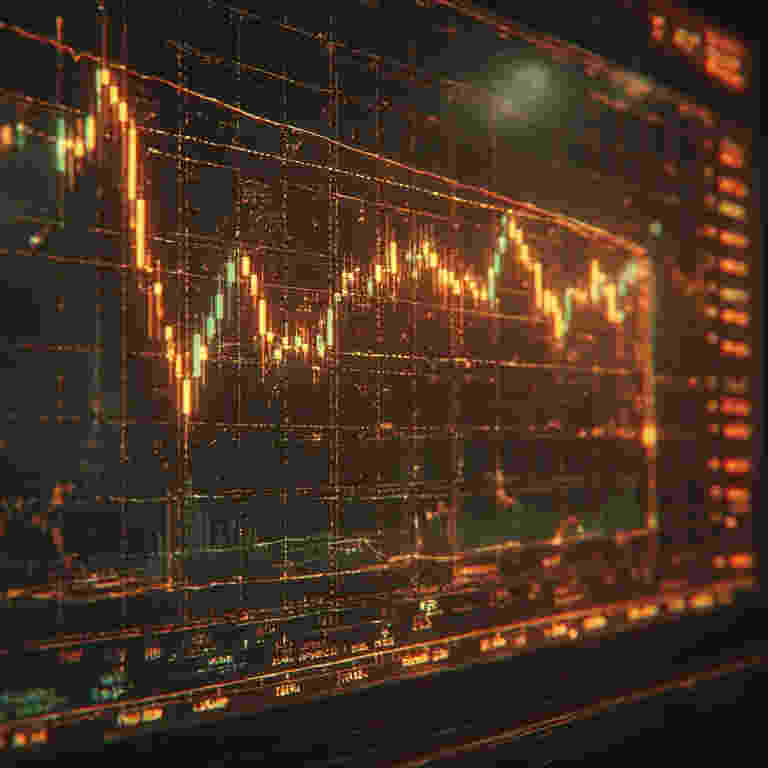
What are Forex Trading and Commodity Trading?
Forex trading and commodity trading are two of the most popular financial markets in the world, and while they may sound complicated at first, the basic ideas behind them are actually quite simple once you break them down. For beginners, the most important thing to know is that both markets involve buying and selling, but what you are buying and selling—and why the price changes—differs in each market. This article is not for financial advice or but for general informative purpose only.
See also : How to Learn to be Good in Stock, Forex, and Commodity Trading
What is Forex Market?
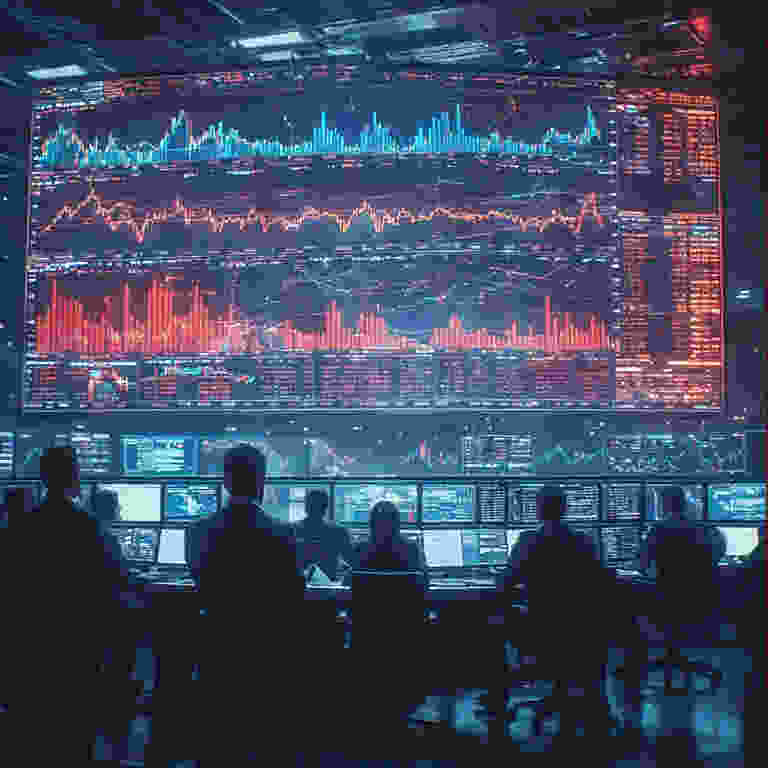
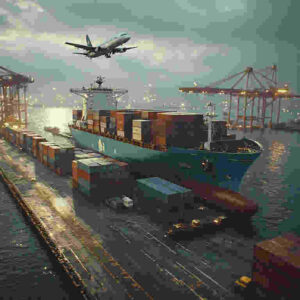
The forex market is the largest and most liquid financial market in the world, where currencies are traded 24/5. It’s a decentralized platform where individuals, banks, and institutions exchange currencies, influencing exchange rates and global trade. With a daily trading volume of over $6 trillion, the forex market sets the prices of currencies, impacting international commerce, investments, and travel. Major currencies like the US dollar, euro, and yen are traded in pairs, with exchange rates fluctuating based on economic indicators, geopolitics, and market sentiment. The forex market’s vast liquidity and accessibility make it a popular choice for traders, investors, and businesses seeking to hedge risks or speculate on currency movements.
Forex trading, also known as foreign exchange or FX trading, is the global marketplace where currencies are traded. A forex trading always happens in pairs because you’re holding one currency while selling another at the same time. For example, EUR/USD represents the euro versus the US dollar. If someone think the euro will strengthen, they “buy” the pair; if someone think it will weaken, they “sell” it. Prices change constantly because of global economic data, interest rate decisions, political events, and overall market sentiment. Forex is the most liquid market in the world, meaning money can move in and out very quickly, and trades can happen 24 hours a day from Monday to Friday because different financial centers around the world open and close at different times. This flexibility makes forex popular among beginners, but it also leads to high volatility, which means prices can move very fast in ways that are sometimes unexpected.
Commodity Market: The Raw Material Exchange
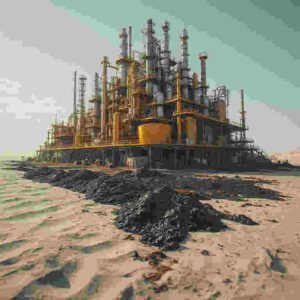
The commodity market is a platform where raw materials like gold, oil, and agricultural products are bought and sold. It’s a vital part of the global economy, providing a way for producers to hedge risks and investors to speculate on price movements. Commodities are traded on exchanges like the NYSE or online platforms, with prices influenced by supply and demand, geopolitics, and weather. From energy and metals to livestock and crops, commodity markets play a crucial role in shaping global trade and economic trends.
Commodity trading, on the other hand, involves buying and selling raw materials rather than currencies. These commodities include things like gold, oil, natural gas, wheat, corn, coffee, and metals such as silver or copper, platinum, and others. While forex prices are influenced mostly by economic factors and interest rates, commodity prices often react to supply and demand. For example, if a major oil-producing country cuts supply, oil prices may rise. If weather conditions damage crops, agricultural commodities like wheat or corn might increase in price. Traders buy commodities for many reasons: some use them to hedge against inflation (gold is a famous example), while others trade them to take advantage of market movements just like in forex. Commodity markets can be highly volatile too, especially oil and natural gas, because geopolitical tensions, natural disasters, and global demand can change rapidly.
Although forex and commodity trading deal with different types of assets, they share some characteristics. Both require understanding price movements, managing risk, and avoiding emotional decisions. Both are accessible through brokers using online platforms, and both allow beginners to start small while learning the basics. The key difference lies in what drives the market. Forex depends largely on macroeconomics—interest rates, employment data, central bank policy, and currency flows—while commodity prices depend more on physical supply, demand cycles, seasonal patterns, and global events. You can see the tutorial in the forum in Forex Tutorial list.
For newcomers, the most important lesson is that neither forex nor commodity trading is a guaranteed way to make money. They can be exciting because prices move quickly, but this also means the risk of losing money is real if you rush in without preparation. A slow, steady approach—learning the fundamentals, practicing on a demo account, understanding how price charts work, and managing risk carefully—can help beginners participate safely while building confidence. Whether someone chooses to explore forex, commodities, or both, understanding these basic concepts is the first step to navigating the financial markets with clarity and confidence.








2 comments