
Soft Commodities vs Hard Commodities
The Foundation of Global Trade
Commodities form the raw material foundation of modern economies—the agricultural products that feed populations, the metals that build infrastructure, the energy that powers civilization. Understanding the distinction between soft and hard commodities, their respective roles in economics and investment, and the other forms of commodities that exist beyond this binary classification reveals fundamental dynamics of global trade, resource allocation, and economic development.
This article is not financial advice and did not predict or suggest any movement on assets value in the future.
Defining Commodities
A commodity is a basic good used in commerce that is interchangeable with other goods of the same type. Commodities are typically raw materials or primary agricultural products that serve as inputs for producing other goods or are consumed directly.
The key characteristic of commodities is fungibility—one unit is essentially equivalent to another of the same grade. A bushel of corn from one farm is functionally identical to a bushel from another (assuming the same grade and quality). This standardization enables commodities to trade in organized markets with transparent pricing.
Commodities differ from manufactured goods, which can have brand differentiation, unique features, and non-fungible characteristics. While consumer goods markets involve brand loyalty and product differentiation, commodity markets focus on standardized products where price becomes the primary differentiator.
Soft Commodities: Agricultural and Grown
Soft commodities refer to agricultural products that are grown rather than mined or extracted. These are living organisms cultivated through farming, vulnerable to weather, disease, and biological factors.
Major Soft Commodities
Grains and Oilseeds:
- Wheat: One of the most widely cultivated crops globally, used for bread, pasta, and countless food products. Different varieties (hard red winter, soft white, durum) serve different purposes.
- Corn (Maize): Used for human food, animal feed, ethanol production, and industrial applications. Corn is particularly important in American agriculture and global food systems.
- Soybeans: Crushed for oil and meal, used in food products, animal feed, and biodiesel. Soybeans represent one of the most important global agricultural commodities.
- Rice: The staple food for over half the world’s population, particularly crucial in Asian economies and diets.
- Oats, Barley, Sorghum: Additional grains serving various food, feed, and industrial purposes.
Tropical and Subtropical Crops:
- Coffee: Both Arabica and Robusta varieties trade as global commodities, with coffee being one of the most traded agricultural products and an economic lifeline for many producing countries.
- Cocoa: Essential for chocolate production, grown primarily in West Africa, cocoa markets affect millions of small farmers and major food companies.
- Sugar: Produced from sugarcane and sugar beets, sugar is both a food commodity and industrial input for various products.
- Cotton: The most important natural textile fiber, cotton links agricultural production to the global fashion and textile industries.
Livestock and Meat:
- Cattle (Live Cattle and Feeder Cattle): Beef production and cattle markets connect agricultural production to consumer meat consumption.
- Hogs (Lean Hogs): Pork production represents a major agricultural commodity market.
- Poultry: Chicken and eggs, while less commonly traded as commodities in futures markets, represent significant agricultural production.
Other Soft Commodities:
- Orange Juice: Concentrated frozen orange juice trades as a commodity based on Florida and Brazil production.
- Lumber: Though a forest product, lumber is often classified with soft commodities due to its organic, grown nature.
Characteristics of Soft Commodities
Production Cycles: Soft commodities follow growing seasons and harvest cycles. Planting happens in specific seasons, growth requires months, and harvest occurs at specific times. This creates seasonal supply patterns and price fluctuations.
Weather Dependency: Perhaps the defining characteristic of soft commodities is vulnerability to weather. Droughts, floods, frost, excessive heat—all can devastate crops and dramatically affect supply. This weather sensitivity creates volatility and uncertainty.
Biological Risks: Disease, pests, and plant pathogens can affect soft commodity production. Crop diseases, insect infestations, or animal diseases in livestock can reduce yields or destroy entire harvests.
Perishability: Many soft commodities spoil or degrade over time. Fresh produce spoils quickly, grains can deteriorate in storage, and livestock must be fed and maintained. This perishability affects storage economics and supply chain logistics.
Land Requirements: Soft commodity production requires arable land, creating geographic limitations and competition with other land uses (urbanization, conservation, alternative crops).
Storage and Transportation: Many soft commodities require specialized storage (temperature control, humidity management, pest protection) and transportation, affecting costs and logistics.
Hard Commodities: Extracted and Mined
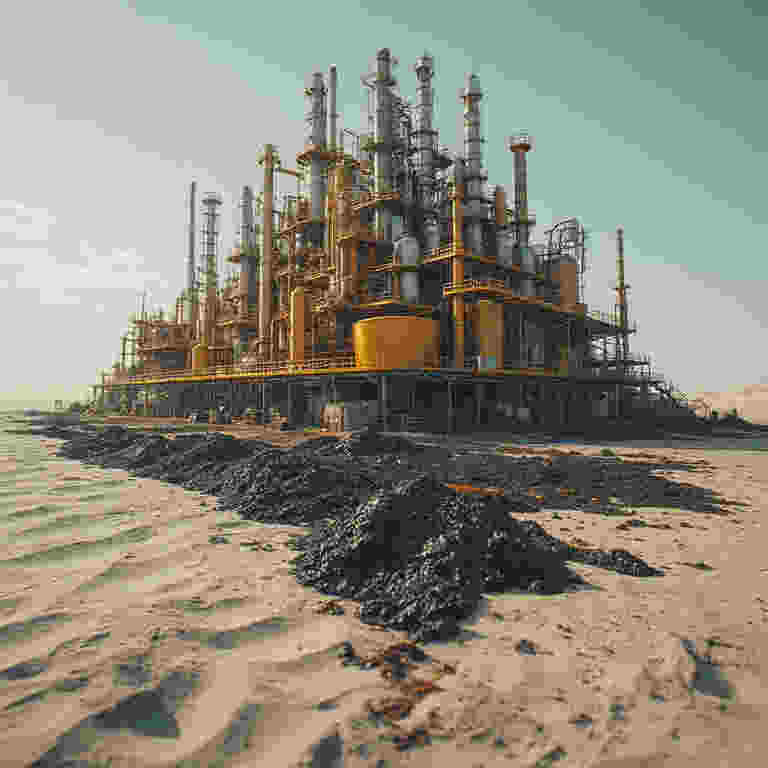
Hard commodities refer to natural resources that are mined or extracted from the earth. These are non-renewable resources (or renewable only on geological timescales) that exist in finite quantities.
Energy Commodities
Crude Oil: The world’s most traded commodity by value, crude oil is refined into gasoline, diesel, jet fuel, heating oil, and serves as feedstock for plastics and chemicals. Different grades (WTI, Brent, Dubai) trade based on quality and location.
Natural Gas: Used for heating, electricity generation, and industrial processes, natural gas has become increasingly important in global energy systems. Regional price differences (Henry Hub in the U.S., TTF in Europe, JKM in Asia) reflect transportation challenges.
Coal: Despite environmental concerns, coal remains significant for electricity generation and steel production in many countries. Different types (thermal coal for power, metallurgical coal for steel) serve different purposes.
Gasoline and Distillates: Refined petroleum products trade as commodities separate from crude oil, representing the processed fuels consumers and industries actually use.
Metal Commodities
- Gold: Beyond industrial uses, gold serves monetary functions and stores of value, making it unique among commodities with significant investment and central bank demand.
- Silver: Combines industrial applications with monetary metal characteristics, used in electronics, solar panels, and jewelry.
- Platinum: Primarily industrial, particularly in catalytic converters for vehicles, though also used in jewelry and investment.
- Palladium: Critical for gasoline vehicle catalytic converters, palladium has seen dramatic price movements based on automotive demand and supply constraints.
Industrial Metals (Base Metals):
- Copper: Called “Dr. Copper” for its economic diagnostic properties, copper’s extensive use in construction, electronics, and manufacturing makes it sensitive to economic activity.
- Aluminum: Lightweight and corrosion-resistant, aluminum is crucial for aerospace, packaging, construction, and transportation.
- Nickel: Essential for stainless steel production and increasingly important for electric vehicle batteries.
- Zinc: Used for galvanizing steel, in alloys, and various industrial applications.
- Lead: Used in batteries, construction, and various industrial applications, though declining in some uses due to health concerns.
- Tin: Important in electronics (solder), packaging, and various industrial applications.
Steel-Making Inputs:
- Iron Ore: The primary input for steel production, iron ore trade links mining countries (Australia, Brazil) with steel-producing nations (China, Japan).
Characteristics of Hard Commodities
Non-Renewable: Hard commodities exist in finite quantities formed over geological time. Once extracted, they don’t regenerate on human timescales (though recycling can extend supply).
Extraction Complexity: Mining and extraction require significant capital investment, technical expertise, and infrastructure. Production isn’t seasonal but depends on extraction capacity and economics.
Geographic Concentration: Deposits concentrate in specific locations based on geology. This creates geopolitical dimensions as certain countries control major supplies of specific commodities.
Storage Stability: Most hard commodities don’t spoil or degrade significantly in storage. Metals can be warehoused indefinitely, and energy commodities (except natural gas to some extent) store relatively easily for extended periods.
Capital Intensity: Developing mines, oil fields, or gas infrastructure requires enormous capital investment with long lead times. This creates supply inelasticity—production can’t increase quickly in response to price signals.
Environmental and Social Impacts: Extraction often creates significant environmental impacts and affects local communities, leading to regulatory constraints, social opposition, and sustainability considerations.
Other Forms of Commodities
Beyond the soft/hard classification, other commodity categories exist with distinct characteristics.
Livestock (Living Animals)
While sometimes categorized with soft commodities, livestock may represents a unique category—living animals that require ongoing care, feeding, and management.
Live Cattle: Cattle ready for slaughter, representing the final stage before meat production. Prices reflect feed costs, beef demand, and herd sizes.
Feeder Cattle: Younger cattle that will be fed to reach slaughter weight. These link earlier breeding operations to final beef production.
Lean Hogs: Pigs ready for slaughter, with prices reflecting feed costs (especially corn and soybeans), pork demand, and disease risks in herds.
Livestock commodities combine agricultural characteristics (feed requirements, disease risks) with unique factors (animal welfare considerations, long production cycles from breeding to slaughter, living asset management).
Processed Soft Commodities
Some commodities represent processed versions of agricultural products, falling between raw agricultural goods and finished products.
Concentrated Orange Juice: Processed from oranges but still traded as a commodity, representing an intermediate product.
Soybean Oil and Soybean Meal: Processed from soybeans through crushing, these represent separated components with distinct end uses and markets.
Ethanol: Produced from corn or sugarcane, ethanol bridges agricultural and energy commodities, serving as both a fuel and an agricultural product market.
Emissions and Environmental Commodities
In some markets (not all), they are relatively recent commodity categories relate to environmental regulation and carbon markets.
Carbon Credits/Allowances: Permits to emit carbon dioxide, traded in regulatory systems like the EU Emissions Trading System or California’s cap-and-trade program. These represent governmental creation of tradeable rights rather than physical commodities.
Renewable Energy Certificates: Credits representing renewable energy generation, allowing entities to meet renewable energy requirements through market mechanisms.
These so-called environmental commodities differ fundamentally from physical commodities—they’re regulatory constructs created by government policy rather than physical goods, but they trade in commodity-like markets with price discovery and hedging functions. Not everyone count these as a kind of commodity.
Water Rights and Virtual Commodities
In some jurisdictions, water rights trade as commodities, representing access to water resources. This remains geographically limited but represents a potential future commodity category as water scarcity increases.
Virtual or digital commodities might eventually include data, bandwidth, or computing resources traded in commodity-like markets, though these remain nascent concepts.
Financial Commodities
Some financial instruments trade with commodity-like characteristics even though they’re not physical goods.
Electricity: Traded in real-time markets as a commodity despite being non-storable and requiring instantaneous production to match consumption. Electricity markets function as commodity markets but with unique constraints due to storage impossibility.
Freight Rates: Though not commodities themselves, freight and shipping rates trade in commodity-like markets (Baltic Dry Index), affecting commodity transportation costs.
Roles in the Economy
Commodities serve fundamental economic functions across both soft and hard categories.
Price Discovery and Resource Allocation
Commodity markets discover prices that signal supply, demand, and scarcity. These prices guide:
- Farmers in planting decisions (which crops to grow based on expected prices)
- Mining companies in extraction decisions (which projects to develop based on metal prices)
- Manufacturers in input choices (substituting between materials based on relative prices)
- Consumers in consumption decisions (adjusting usage based on prices)
This price discovery function allocates resources efficiently across the economy, directing production toward highest-value uses.
Inflation Indicators
Commodity prices serve as leading inflation indicators. Rising commodity prices often precede broader inflation as increased input costs feed through to finished goods prices. Central banks monitor commodity prices as signals about inflation pressures.
Soft commodities particularly affect food inflation, which significantly impacts consumers, especially lower-income households that spend larger portions of income on food.
Hard commodities, particularly energy, affect both direct consumer costs (gasoline, heating) and indirect costs (transportation, manufacturing inputs), creating broad inflation impacts.
Employment and Economic Development
Commodity production employs hundreds of millions globally:
- Agricultural production employs over a billion people worldwide, particularly in developing countries
- Mining and extraction employ millions in operations and supporting industries
- Processing, transportation, and trading of commodities create additional employment
For many developing countries, commodity production represents primary economic activity and export revenue. Coffee in Ethiopia, copper in Chile, oil in Saudi Arabia—commodity production shapes entire national economies.
International Trade and Balance of Payments
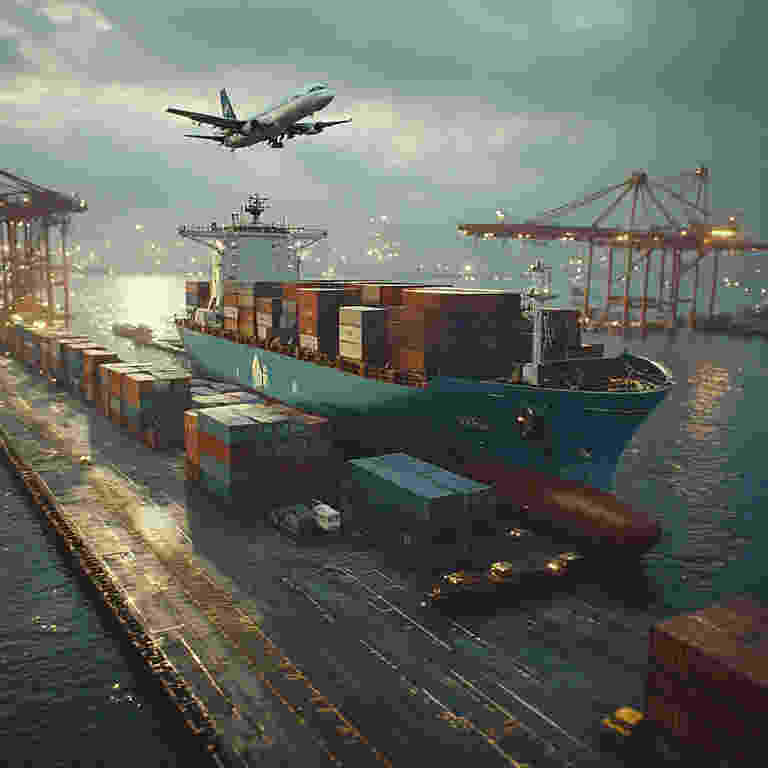
Commodities represent major components of international trade. Countries export commodities they produce efficiently and import those they lack:
- Saudi Arabia exports oil; Japan imports it
- Brazil exports soybeans and iron ore; China imports both
- Australia exports coal and natural gas; Europe imports them
These trade flows affect balance of payments, currency values, and international economic relationships. Commodity price changes can dramatically affect national trade balances—oil exporters benefit from rising prices while importers suffer.
Energy Security and Food Security
Hard commodities, particularly energy, relate to national security concerns. Countries seek energy independence or secure supply arrangements to ensure economic function during crises.
Soft commodities relate to food security—the ability to feed populations. Agricultural production, food reserves, and import capabilities all factor into national food security strategies.
Both forms of security make commodities politically significant beyond pure economic considerations.
Roles in Investment
Commodities function as an asset class with distinct investment characteristics.
Portfolio Diversification
Commodities often show low or negative correlation with stocks and bonds, providing diversification benefits. When equity markets decline, commodities might hold value or appreciate, particularly during inflationary periods that often pressure stocks and bonds.
However, correlation isn’t stable—during severe crises like 2008, most asset classes including commodities declined together as liquidity crises overwhelmed typical diversification benefits.
Inflation Hedging
Commodities are tangible assets whose prices often rise with inflation. As currency purchasing power declines, commodity prices typically increase, preserving real value.
This makes commodities attractive during inflationary periods or when inflation fears increase. However, the relationship isn’t perfect—commodity prices can fall during recessions even if inflation exists, and not all commodities respond identically to inflation.
Direct Commodity Investment
Investors can gain commodity exposure through several mechanisms:
Physical Ownership: Buying and storing actual commodities (gold bars, oil barrels, grain in silos). This provides direct exposure but involves storage costs, insurance, and logistics challenges. Practical mainly for precious metals; impractical for most soft commodities.
Futures Contracts: Standardized agreements to buy or sell commodities at future dates. Futures provide leveraged exposure without physical delivery (most are settled financially). This is the primary mechanism for commodity speculation and hedging.
Commodity ETFs and ETNs: Exchange-traded funds holding commodity futures or physical commodities provide convenient exposure. Some track individual commodities (gold ETF), others track commodity indices (broad commodity exposure).
Commodity Stocks: Shares in companies that produce commodities (mining companies, oil companies, agricultural businesses). These provide indirect exposure but also include company-specific risks and management factors beyond commodity prices.
Commodity Indices: Investment products tracking baskets of commodities, providing diversified commodity exposure across energy, metals, and agriculture.
Different Investment Characteristics
Soft Commodities: Generally higher volatility due to weather uncertainty and biological risks. Seasonal patterns create predictable supply variations but unexpected weather can cause dramatic price swings. Storage limitations and perishability affect price dynamics.
Investment in soft commodities requires understanding growing seasons, weather patterns, crop reports, and agricultural economics. The sector attracts specialized agricultural traders and funds.
Hard Commodities: Often somewhat more predictable supply (mines produce at relatively steady rates), but demand volatility from economic cycles creates price swings. Energy commodities particularly respond to economic activity, geopolitical events, and policy changes.
Precious metals like gold serve dual functions—industrial commodity and monetary asset—creating unique investment dynamics. Gold particularly attracts investment during uncertainty, behaving differently from purely industrial commodities.
Contango and Backwardation
Commodity futures markets exhibit term structures—relationships between near-term and distant futures prices.
Contango: Future prices exceed spot prices, typically reflecting storage costs, financing costs, and convenience yield. Rolling futures contracts forward in contango markets creates negative roll yield, reducing returns.
Backwardation: Spot prices exceed future prices, often occurring when current demand is strong relative to expected future demand. Rolling futures in backwardation creates positive roll yield, enhancing returns.
Understanding these term structures is crucial for commodity investment, as roll yield significantly affects returns from futures-based strategies.
Speculation vs. Hedging
Commodity markets serve both speculators seeking profit from price movements and hedgers managing business risk.
Hedgers: Farmers hedging crop sales, airlines hedging fuel costs, manufacturers hedging metal inputs. These participants use commodity markets to reduce business risk from price volatility.
Speculators: Traders, funds, and investors taking positions based on price expectations, providing liquidity to hedgers and accepting price risk in pursuit of returns.
Both functions are essential—hedgers need speculators to take the opposite side of their risk-reducing trades, while speculators need liquid markets and diverse participants to profit from price discovery.
Soft vs. Hard Commodities: Key Distinctions
Supply Dynamics
Soft Commodities: Supply follows annual or seasonal cycles. A drought reduces this year’s crop, but normal weather next year can restore supply. Supply responds to price signals through planting decisions (farmers plant more corn when prices are high), but with delays (next growing season).
Hard Commodities: Supply changes slowly through developing new mines or wells, a multi-year process requiring massive capital. Supply can’t increase quickly even when prices spike. Depleted reserves can’t be restored.
Demand Patterns
Soft Commodities: Basic food demand is relatively inelastic (people need to eat), but specific commodity demand can shift (substituting wheat for rice, synthetic fabrics for cotton). Demand has seasonal components (heating oil in winter).
Hard Commodities: Energy demand correlates strongly with economic activity and seasonal weather (air conditioning, heating). Metal demand follows construction and manufacturing cycles. Precious metal demand includes investment and monetary functions beyond industrial use.
Price Volatility
Soft Commodities: Generally more volatile due to weather uncertainty, disease risks, and perishability. A single weather event can devastate crops, causing price spikes. Abundant harvests can create gluts and price collapses.
Hard Commodities: Volatility from demand swings during economic cycles, geopolitical disruptions, and supply interruptions (mine accidents, political instability). Energy commodities particularly volatile due to geopolitical factors.
Storage Economics
Soft Commodities: Storage is expensive and time-limited. Grains deteriorate, livestock must be fed, perishable crops spoil. Storage costs are high relative to commodity value, limiting practical storage duration.
Hard Commodities: Many can be stored indefinitely with relatively low costs. Metals don’t degrade, oil can be stored for years. This enables building strategic reserves and inventory management smoothing supply disruptions.
Geopolitical Factors
Soft Commodities: Production is geographically dispersed—wheat grows across multiple continents, coffee in numerous countries. Climate zones limit production locations, but most soft commodities aren’t concentrated in single countries.
Hard Commodities: Deposits concentrate geographically based on geology. Oil in the Middle East, lithium in South America, rare earths in China—this concentration creates geopolitical leverage and supply security concerns.
Environmental and Sustainability Considerations
Soft Commodities: Agricultural expansion can cause deforestation, water depletion, soil degradation, and pesticide pollution. Sustainable farming practices address these concerns but may increase costs.
Hard Commodities: Mining and extraction create significant environmental impacts—habitat destruction, pollution, carbon emissions, water contamination. Depletion of non-renewable resources raises sustainability questions about long-term availability.
Commodity Trading and Markets
Futures Exchanges
Commodities trade on organized exchanges providing standardized contracts, transparent pricing, and clearing services.
CME Group (Chicago Mercantile Exchange): Trades agricultural commodities, metals, energy, and financial commodities. The CBOT (Chicago Board of Trade) division handles grains and oilseeds.
ICE (Intercontinental Exchange): Major exchange for energy commodities and softs (coffee, cocoa, cotton, sugar).
LME (London Metal Exchange): Primary exchange for industrial metals trading.
Shanghai Futures Exchange, Dalian Commodity Exchange: Important Asian exchanges reflecting China’s massive commodity consumption.
These exchanges standardize contract specifications, delivery terms, quality grades, and trading procedures, enabling efficient price discovery and risk management.
Physical Markets
Beyond futures, physical commodity markets involve actual delivery and ownership. These over-the-counter markets handle specific grades, locations, and delivery times not captured in standardized futures contracts.
Physical traders, producers, processors, and end-users negotiate deals based on futures prices but adjusted for specific circumstances—particular grain qualities, specific metal grades, delivered versus FOB pricing.
Price Benchmarks
Certain prices serve as benchmarks for broader markets:
- WTI (West Texas Intermediate) and Brent: Crude oil benchmarks
- COMEX Gold: Gold price benchmark
- CBOT Corn and Soybeans: Agricultural benchmarks
- LME Copper: Industrial metal benchmark
These benchmarks establish reference prices for contracts, negotiations, and valuations across the commodity ecosystem.
Commodity Producers and Supply Chains
Agricultural Producers
Soft commodity production ranges from smallholder farmers growing a few acres to massive agricultural corporations managing thousands of acres with industrial-scale operations.
In developing countries, millions of small farmers grow coffee, cocoa, cotton, and other crops as primary income sources. In developed countries, agriculture is increasingly consolidated into larger operations using advanced technology, mechanization, and data analytics.
The structure affects supply responses, price sensitivity, and social impacts of commodity price changes.
Mining and Extraction Companies
Hard commodities come from major corporations operating large-scale mines and extraction facilities such as BHP, Rio Tinto, ExxonMobil, Chevron, Glencore.
These companies make multi-billion dollar investments in developing resources, operate globally, and significantly influence commodity supplies. Their decisions about project development, production levels, and capacity expansions affect long-term supply.
National oil companies (Saudi Aramco, Petrobras, etc.) also play major roles, with production decisions influenced by national interests beyond pure economics.
Processing and Refining
Between raw commodity production and end use, processing industries refine, smelt, mill, or otherwise transform commodities:
- Crude oil refineries producing gasoline, diesel, chemicals
- Smelters converting ore to refined metals
- Grain mills processing wheat into flour
- Cotton gins and textile mills processing cotton into fabric
These intermediaries connect producers to consumers, adding value through transformation while creating derivative markets for processed commodities.
Commodity Consumption Patterns
Industrial Demand
Hard commodities primarily serve industrial purposes:
- Metals in manufacturing, construction, infrastructure
- Energy in transportation, electricity, heating, industrial processes
- Agricultural commodities as industrial inputs (cotton for textiles, corn for ethanol)
Economic growth drives industrial commodity demand. Developing countries industrializing and building infrastructure create massive commodity demand—China’s rapid development dramatically increased global metal and energy consumption.
Consumer Demand
Soft commodities often reach consumers more directly:
- Food commodities in human consumption
- Cotton in clothing
- Coffee and sugar in daily consumption
Consumer behavior, dietary preferences, and population growth drive soft commodity demand. Changing diets (increasing meat consumption in developing countries) affect grain demand for animal feed. Health trends affect sugar and fat consumption.
Substitution Effects
Commodity demand responds to relative prices through substitution:
- Manufacturers substitute aluminum for steel when price ratios favor it
- Consumers substitute chicken for beef when beef prices rise
- Energy users substitute natural gas for coal based on relative prices
- Synthetic fibers substitute for cotton in textiles
This substitution creates interconnections between commodity markets and limits any single commodity’s pricing power.
Commodity-Related Risks
Weather and Climate Risks
Soft commodities face direct weather exposure. Droughts, floods, frost, hurricanes—all can devastate crops. Climate change may increases weather volatility and shifts growing regions, affecting long-term agricultural production.
Hard commodities face less direct weather exposure but aren’t immune—hurricanes disrupt offshore oil production, extreme weather affects mining operations, flooding can halt coal mining.
Geopolitical Risks
Political instability, conflicts, trade disputes, and sanctions affect commodity markets:
- Middle East conflicts threaten oil supplies
- Trade restrictions limit commodity flows
- Political instability disrupts mining operations
- Sanctions restrict commodity exports
Commodities concentrated in politically unstable regions face particular risks, creating price volatility and supply security concerns.
Technological Disruption
Technology affects commodity demand:
- Electric vehicles reduce oil demand but increase lithium, cobalt, copper demand
- LED lighting reduces electricity consumption
- Precision agriculture improves crop yields, affecting grain markets
- Automation in mining affects labor but may increase production efficiency
Technological change can fundamentally alter commodity demand patterns over time.
Regulatory and Environmental Risks
Environmental regulations, carbon pricing, and sustainability requirements affect commodity production:
- Carbon taxes or cap-and-trade systems affect fossil fuel economics in some regions
- Environmental standards increase mining costs or prohibit certain developments in some regions
- Agricultural regulations restrict pesticides or mandate organic practices
- Water rights and usage restrictions affect agricultural production in some regions
These regulatory factors increasingly influence commodity markets and investment decisions.
Looking at Commodities Holistically
Soft and hard commodities represent fundamentally different resources with distinct characteristics, but both serve essential economic functions. Soft commodities feed populations and provide renewable resources grown through agricultural labor and nature’s cycles. Hard commodities provide the energy and materials to build and power civilization, extracted from finite geological deposits.
Understanding the distinctions—renewable versus non-renewable, weather-dependent versus geologically determined, perishable versus storable, dispersed versus concentrated—clarifies how these different commodity types function in economics, trade, and investment.
Beyond the soft/hard binary, other commodity forms—livestock, processed agricultural products, environmental credits, even electricity—demonstrate the breadth of resources traded as commodities and the evolving nature of commodity markets.
For economies, commodities provide essential inputs, employment, export revenue, and price signals that guide resource allocation. For investors, they offer diversification, inflation hedging, and exposure to fundamental supply-demand dynamics distinct from financial assets.
The commodity complex—spanning everything from wheat and coffee to copper and oil—represents the material foundation of modern economies and the connection between natural resources, human effort, and economic activity that transforms raw materials into the goods and services supporting contemporary life.






2 comments